News
Bioinformatics and Biopython Workshop Promotes Computational Biology, Python Programming and DNA Sequence Analysis Skills
16 Oct 2026
1-Day Bioinformatics and Biopython Workshop
The BioGenius Club, Faculty of Engineering and Technology, Rama University, organized a one-day workshop on Bioinformatics and Biopython on 13 October 2026 in Room 3026. The workshop was attended by 60 students and introduced them to the interdisciplinary applications of biology, computer programming, and data analysis. The session focused on basic Python coding, the fundamentals of bioinformatics, and the practical applications of Biopython in DNA sequence analysis.
|
Title of the Event
|
1-Day Bioinformatics and Biopython Workshop
|
|
Organising Club
|
BioGenius Club, Faculty of Engineering and Technology, Rama University
|
|
Participants
|
60 students
|
|
Date
|
13 October 2026
|
|
Time
|
1:30 PM – 4:00 PM
|
|
Venue
|
Room 3026, Rama University
|
Aim
To introduce students to the basic concepts of bioinformatics and Python-based biological data analysis and demonstrate how Biopython can support the analysis and interpretation of DNA sequences.
Objectives
- To familiarise students with basic Python coding.
- To introduce bioinformatics and its role in biological research.
- To explain Biopython and its practical applications in DNA sequence analysis.
- To explore the biological flow of information from DNA to RNA to protein.
- To encourage students to identify sequence patterns and develop simple bioinformatics tools.
Topics and Activities Covered
- Basic Python Coding: Students were introduced to fundamental programming concepts and how Python can be used to process biological information.
- Introduction to Bioinformatics: The session explained how computational methods help organise, analyse, and interpret biological data.
- Fundamentals of Biopython: Participants learned about Biopython as a Python toolkit for working with biological sequences and related data.
- DNA Sequence Analysis: The workshop highlighted how DNA sequences can be examined to identify meaningful patterns and features.
- DNA → RNA → Protein: Students revisited the central flow of genetic information and its importance in sequence-based analysis.
- Mini-Tool Development: Participants were encouraged to apply the concepts learned during the session to develop simple bioinformatics tools.
Learning Outcomes
The workshop provided students with introductory knowledge of Python programming, bioinformatics, and Biopython-based biological sequence analysis. It helped them understand the connection between programming and molecular biology, recognise the potential for identifying patterns in DNA sequences, and develop confidence in exploring computational biology projects.
Conclusion
The one-day Bioinformatics and Biopython Workshop was a valuable learning opportunity for students interested in computational biology and biological data analysis. With 60 participants, the programme introduced essential concepts and demonstrated how Python and Biopython can be applied to the study of biological sequences. The workshop encouraged students to move beyond theoretical knowledge towards practical, coding-based applications and supported the BioGenius Club's objective of promoting technical learning and interdisciplinary skills among students.
Photographic Documentation
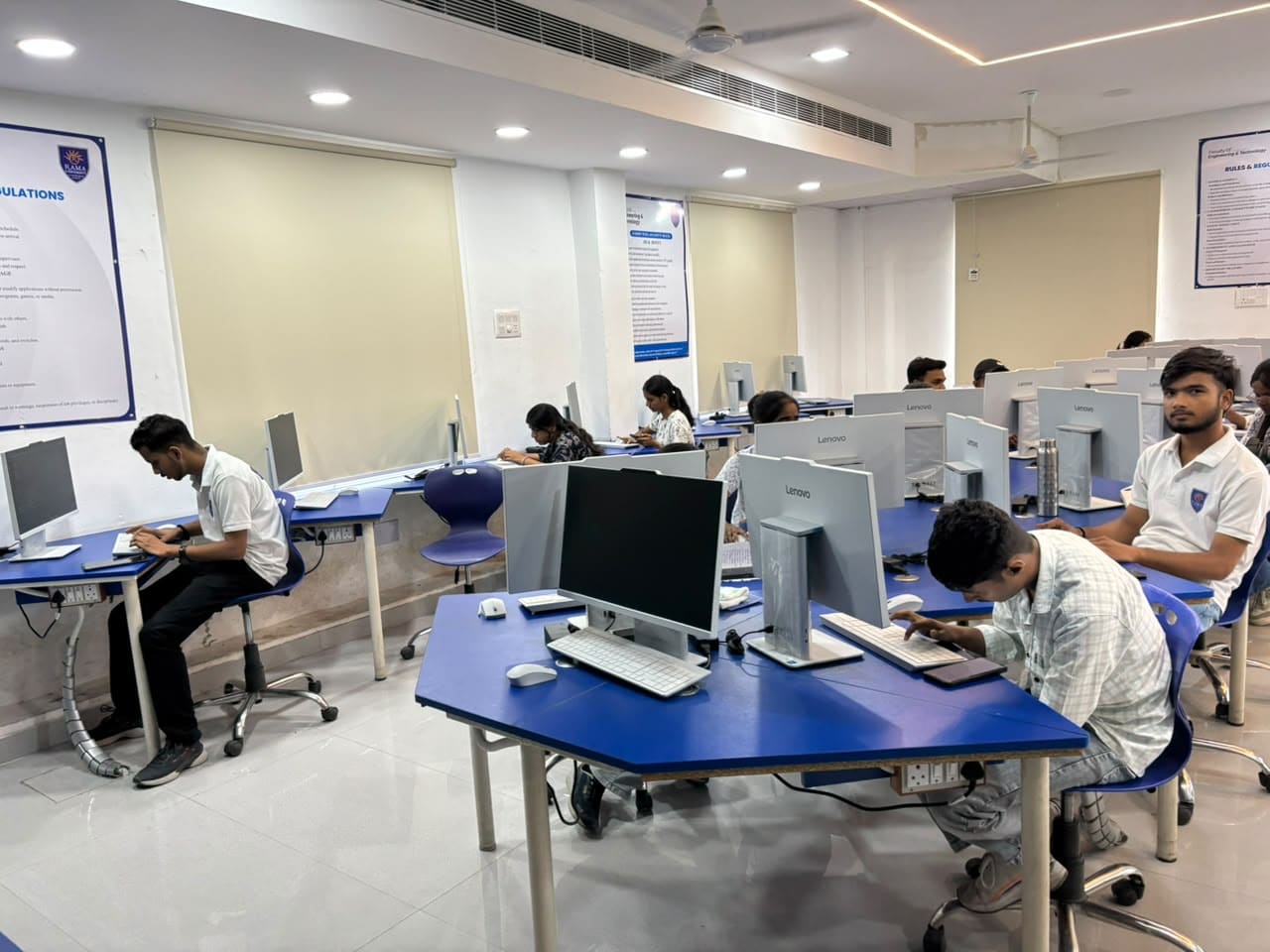
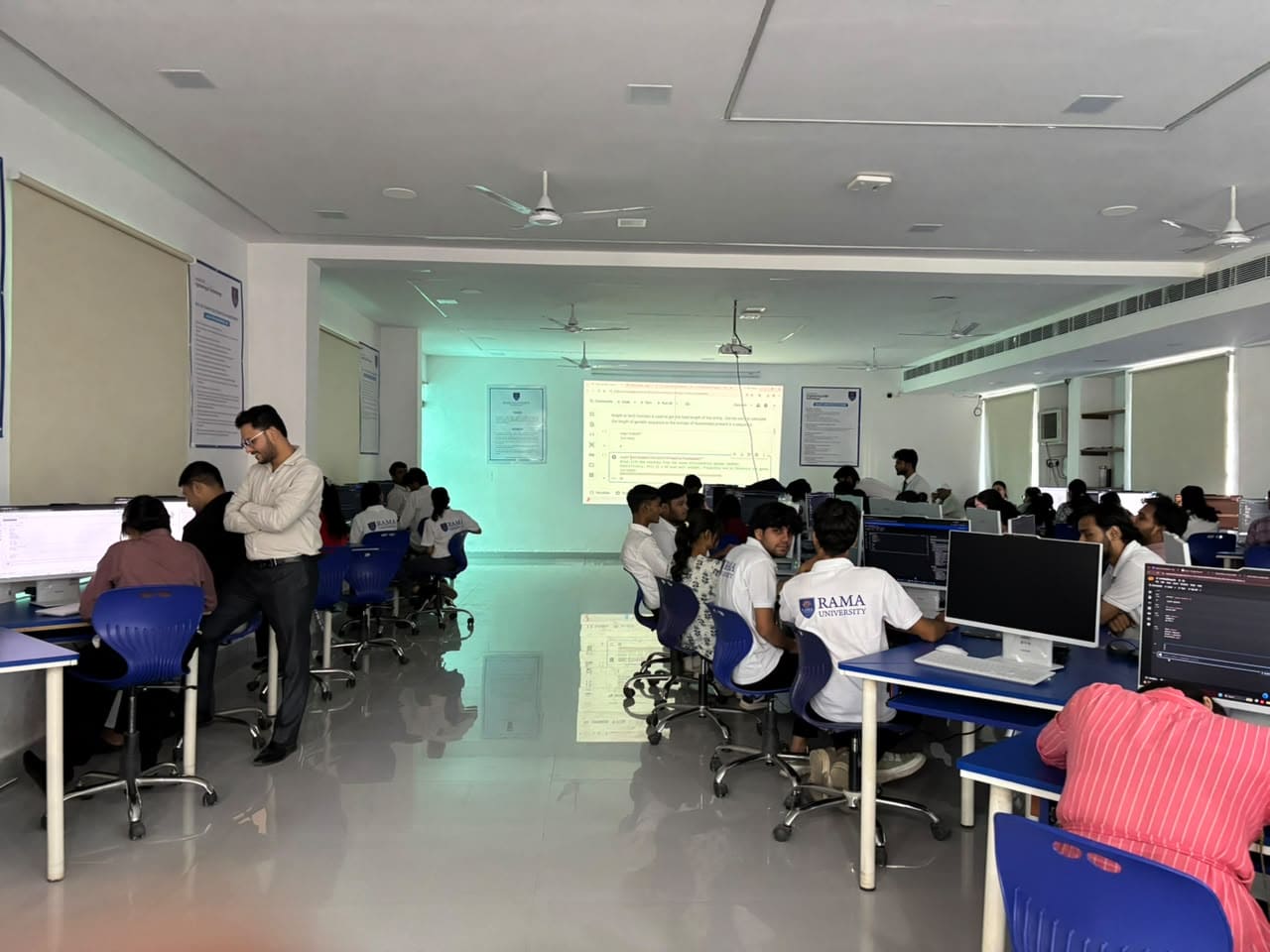
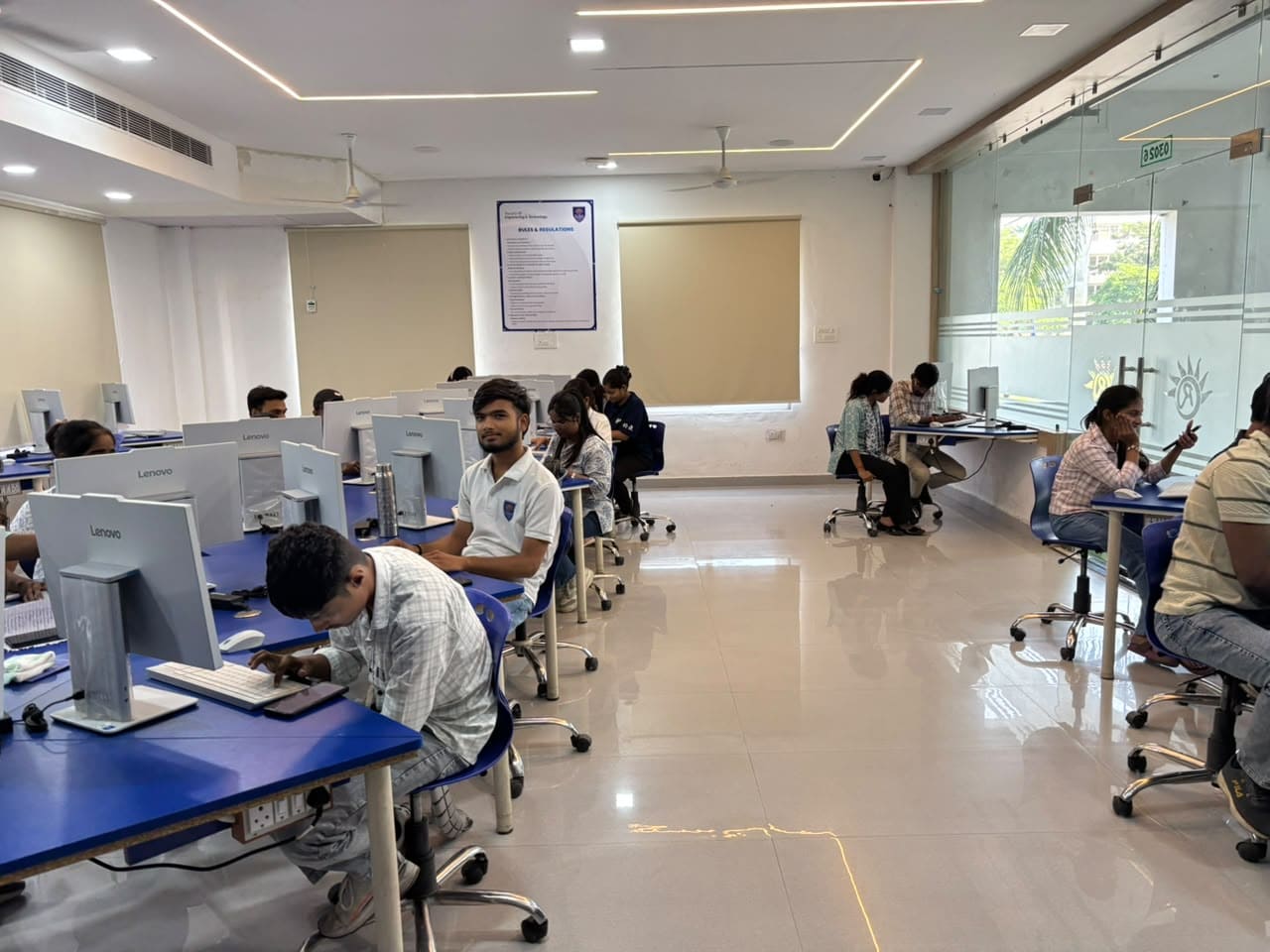
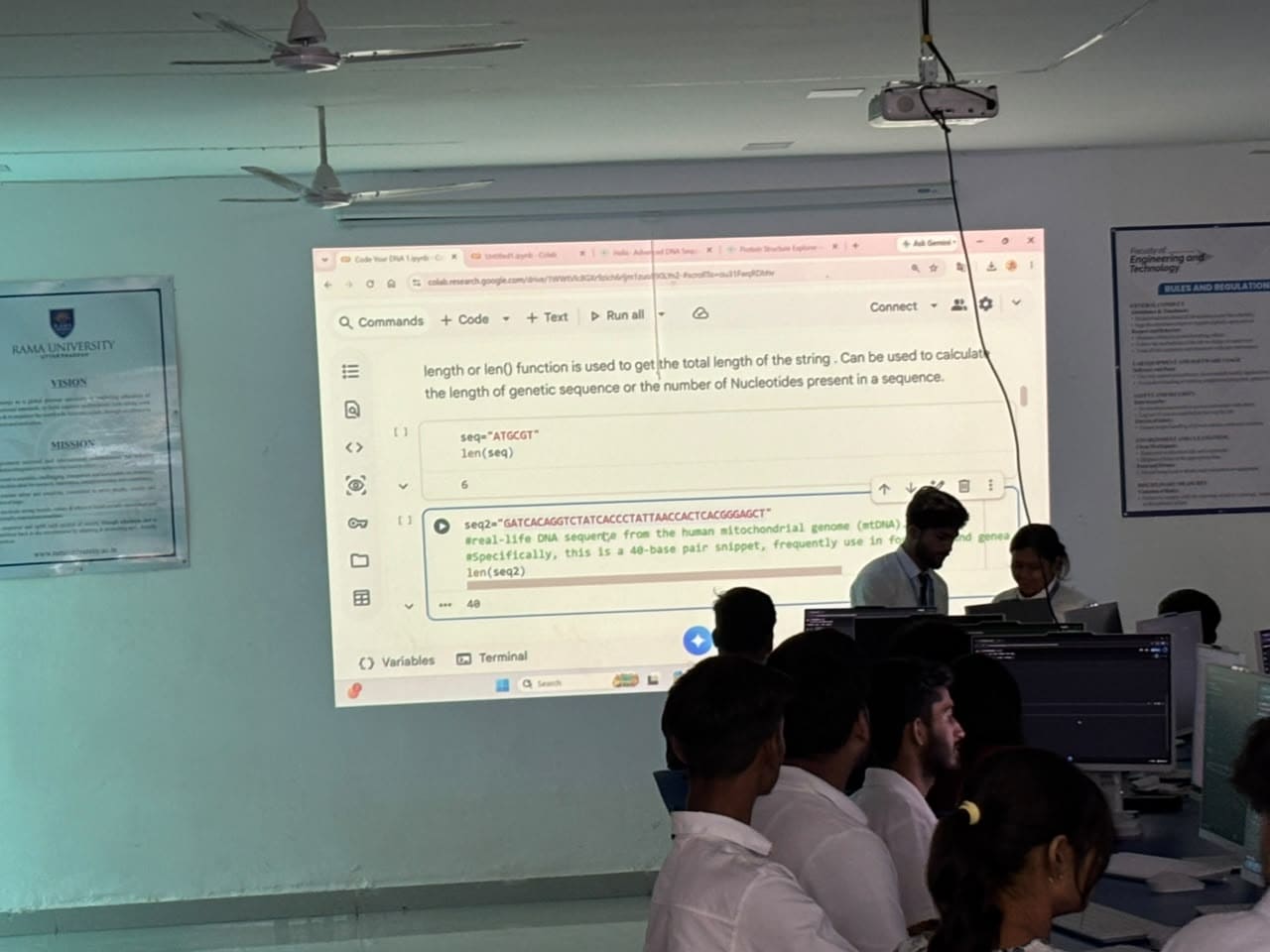
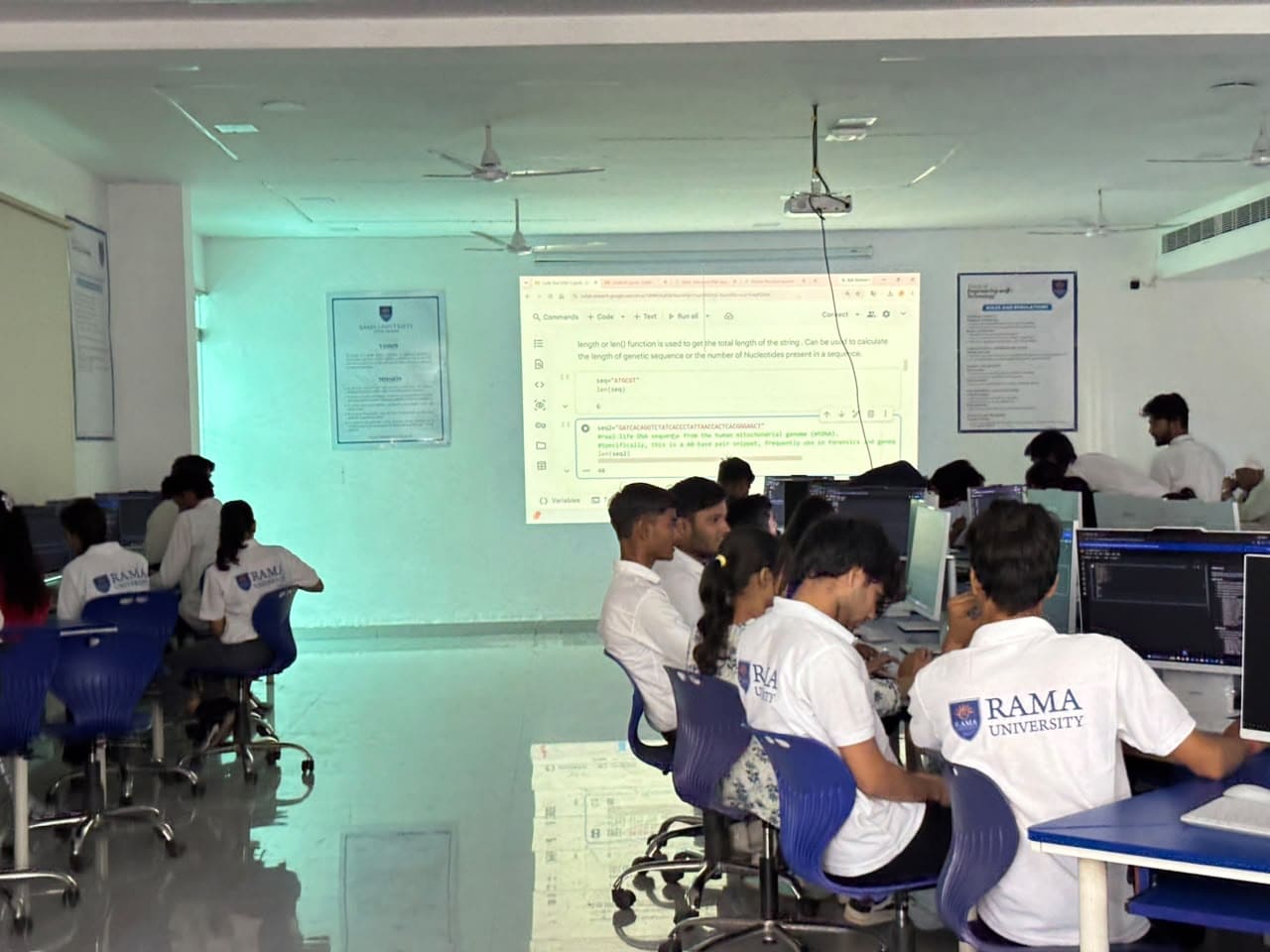
The uploaded report includes photographs on pages 3–4 showing students working on computers, participating in practical learning activities, and exploring coding and bioinformatics concepts. These photographs document student engagement and the practical nature of the workshop.