News
Capacity-Building Workshop on Outcome-Based Education (OBE)
03 Nov 2026
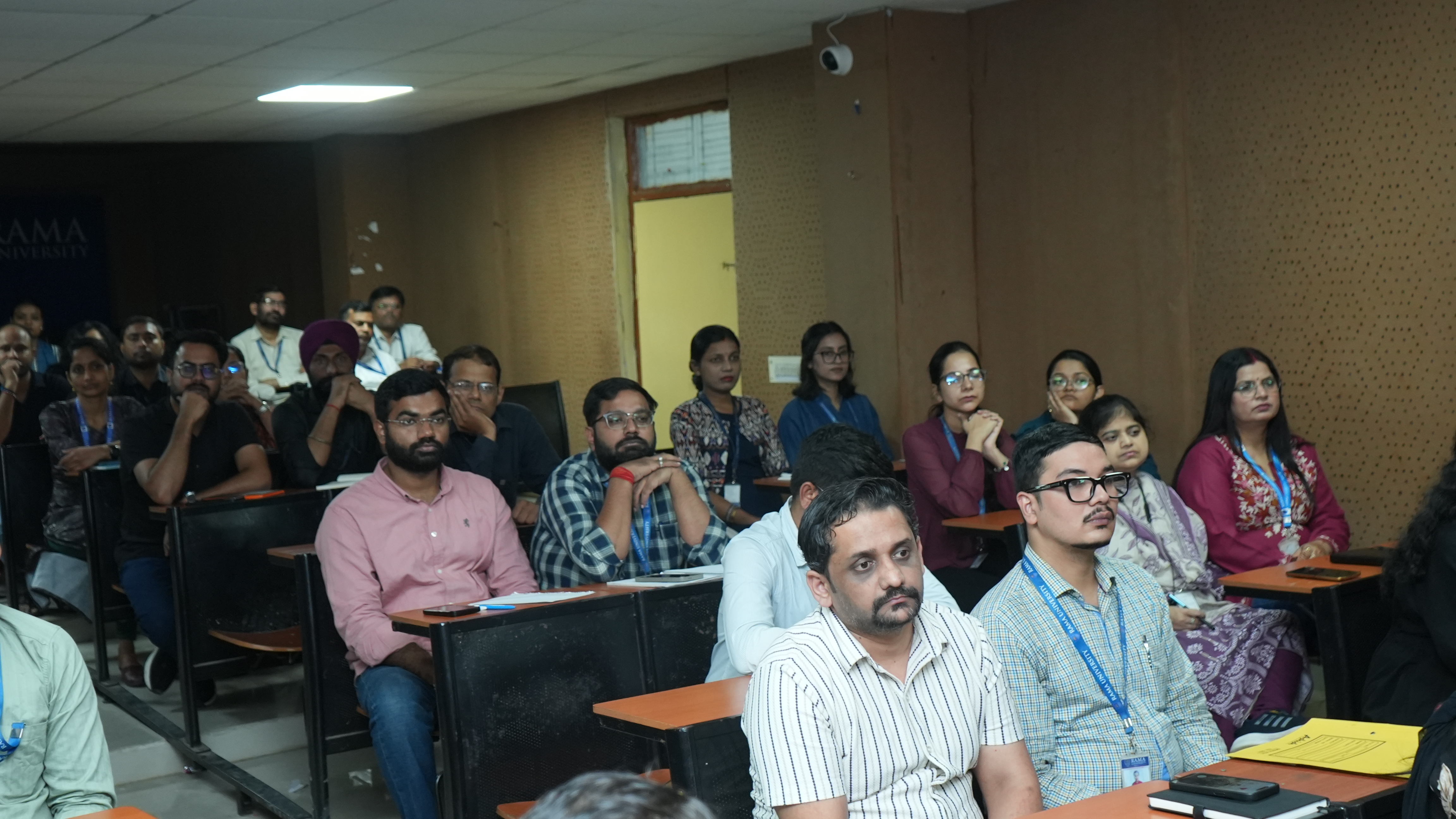
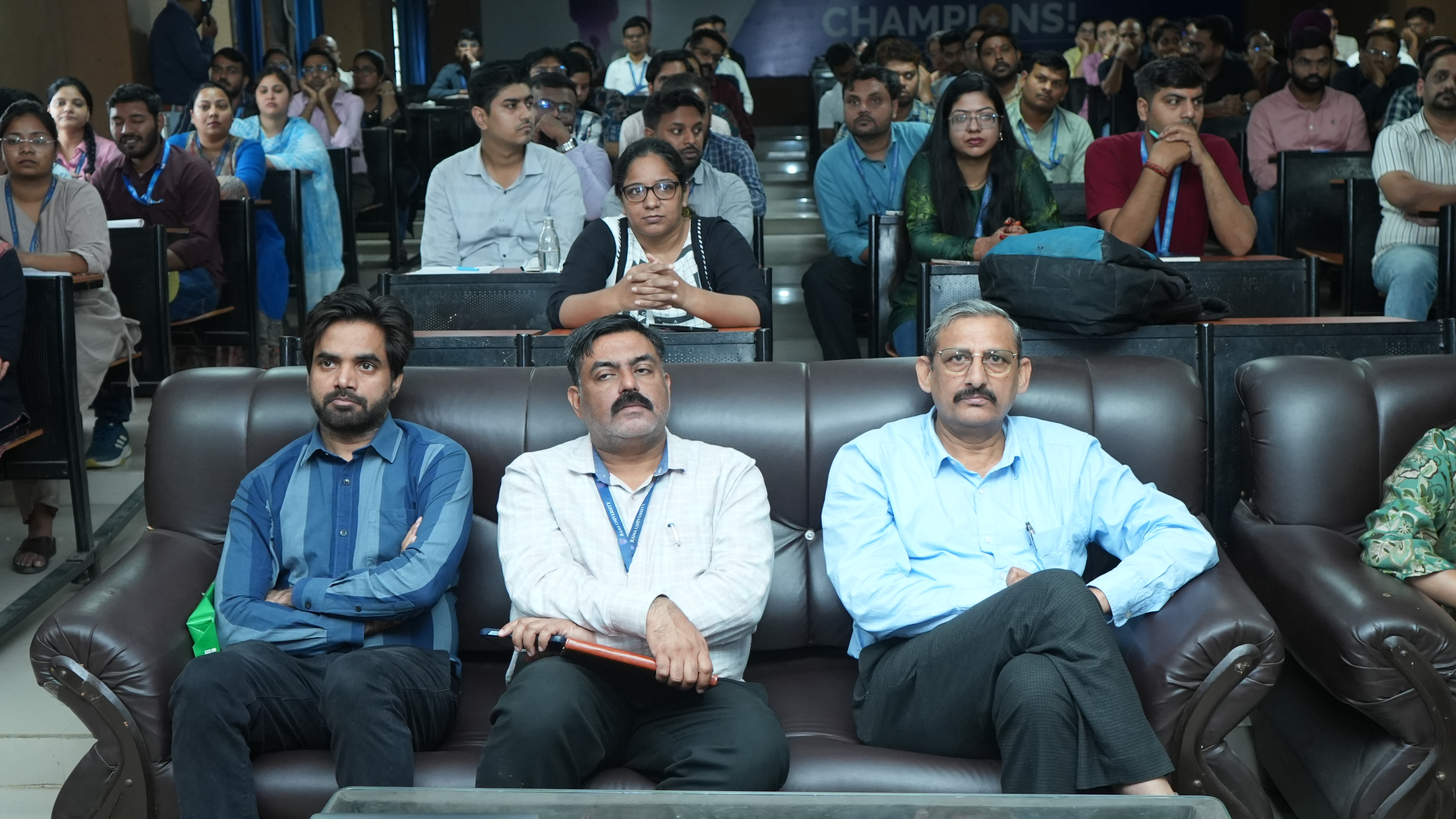
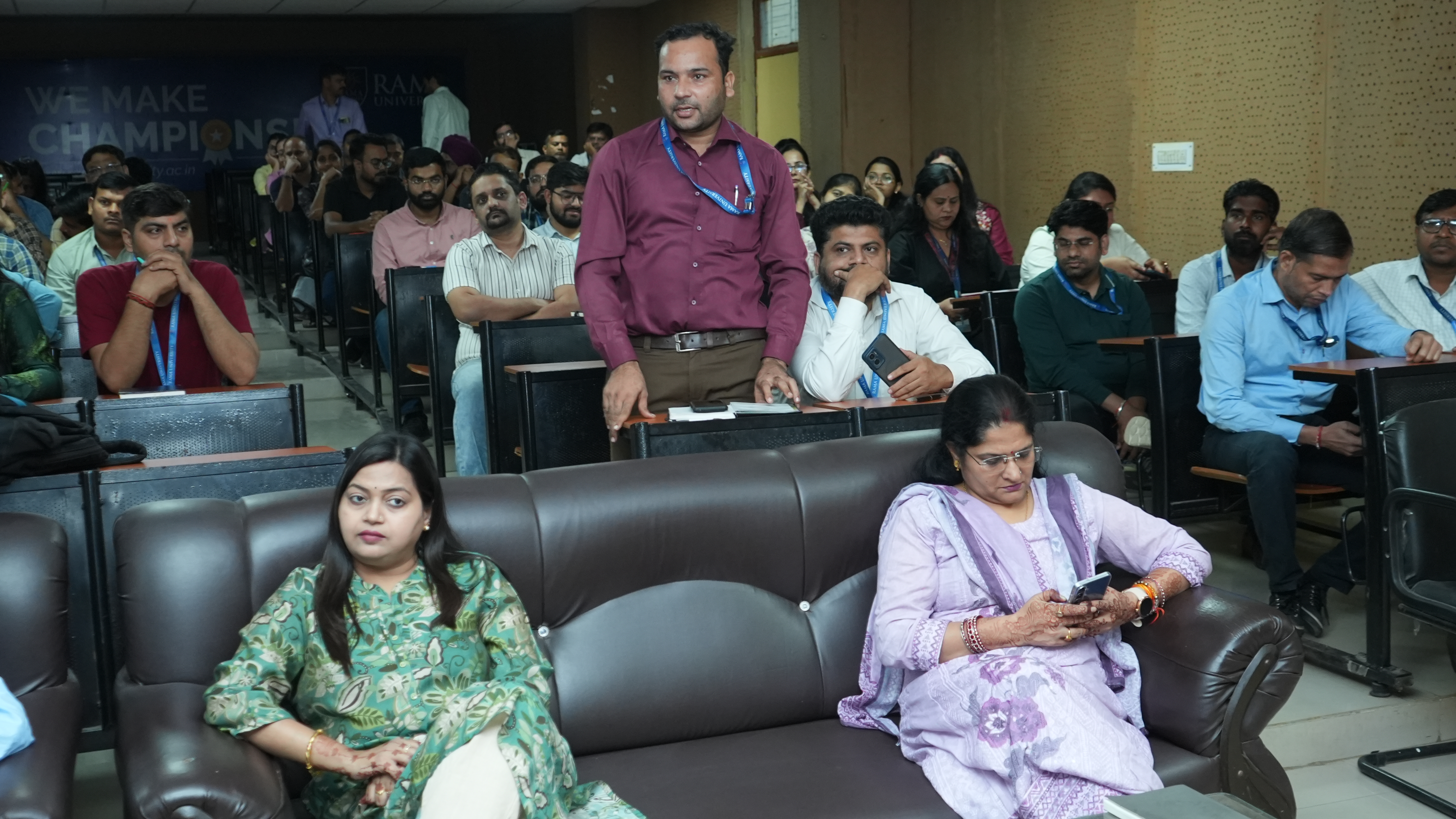
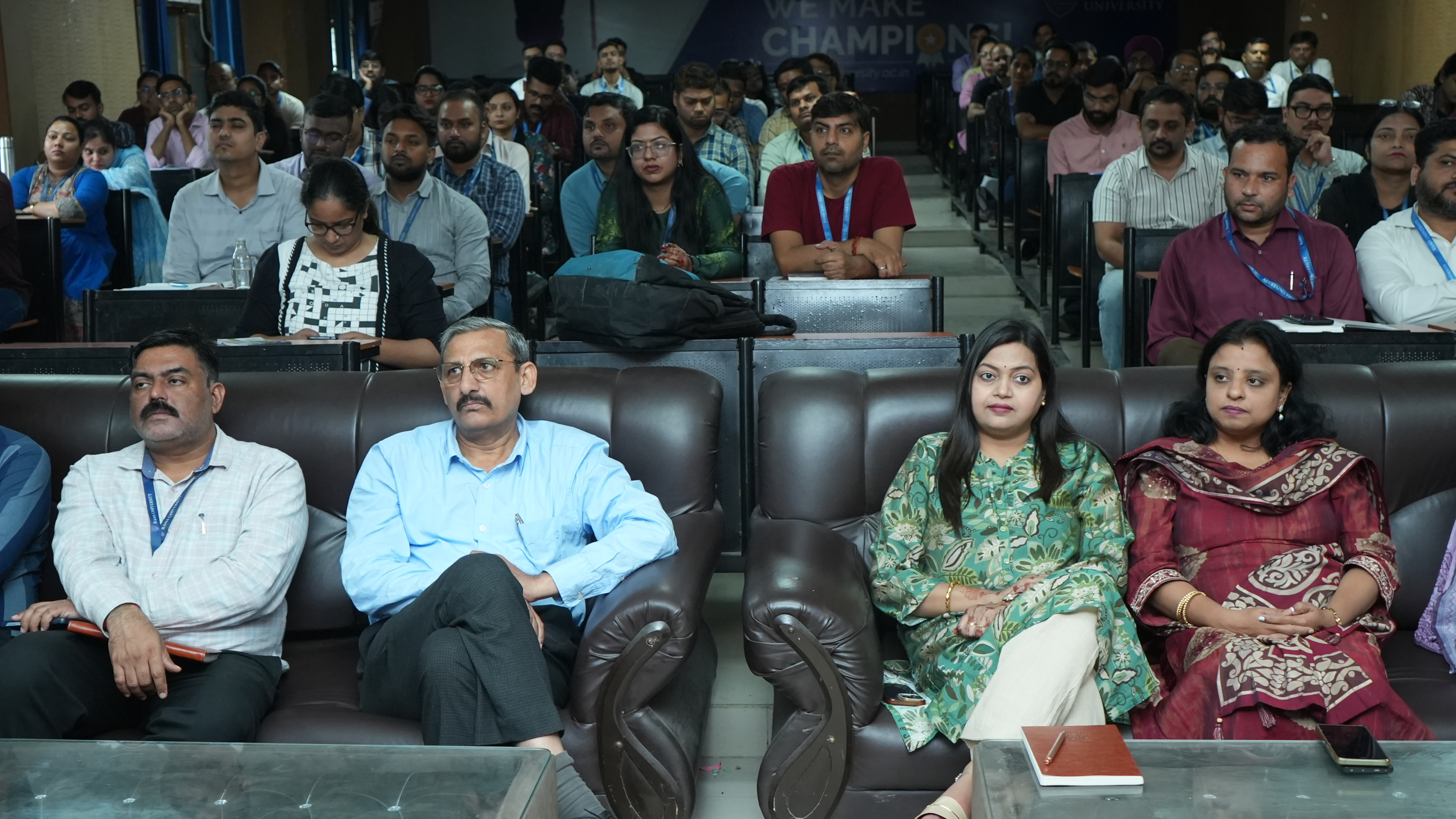
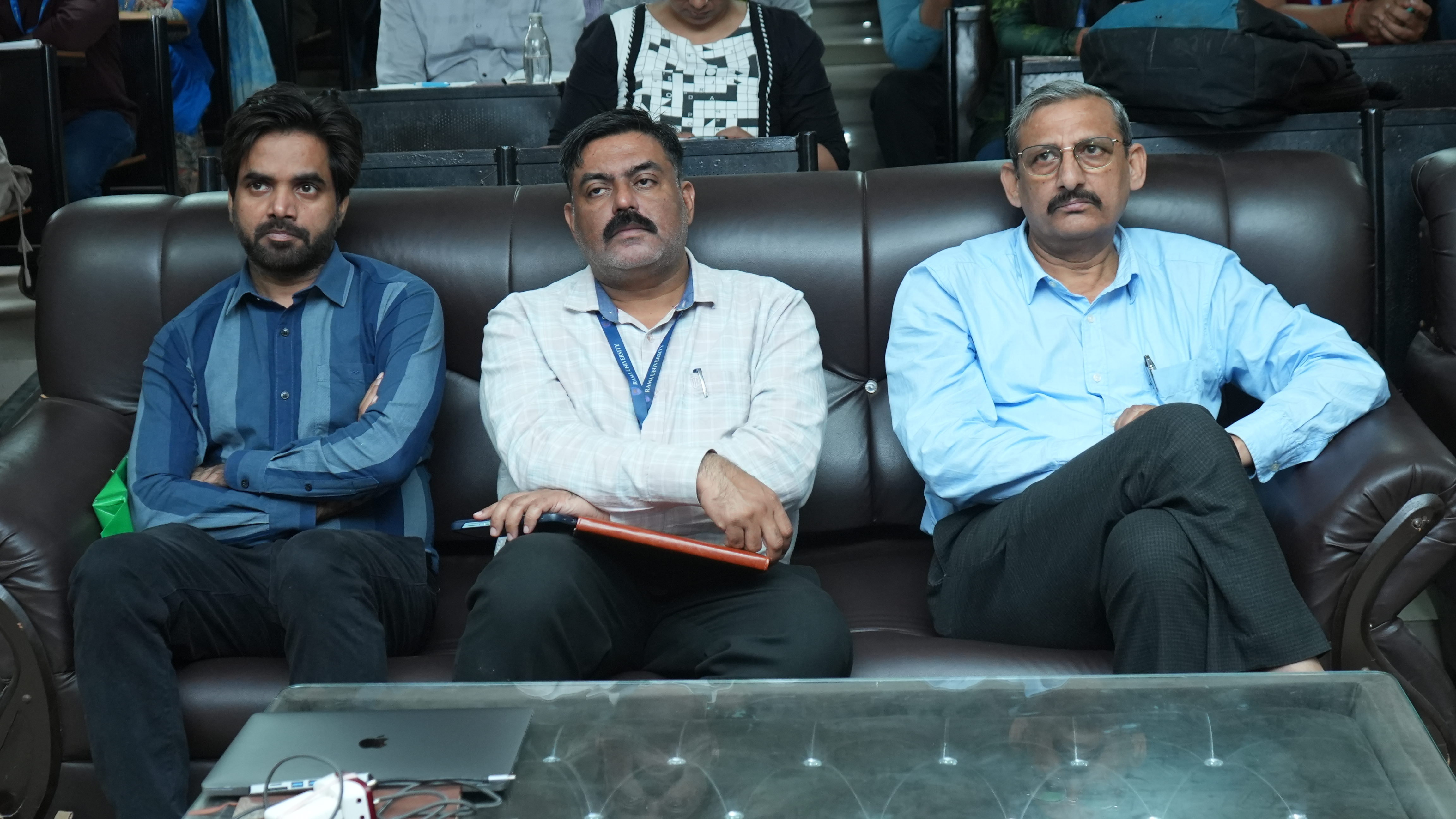
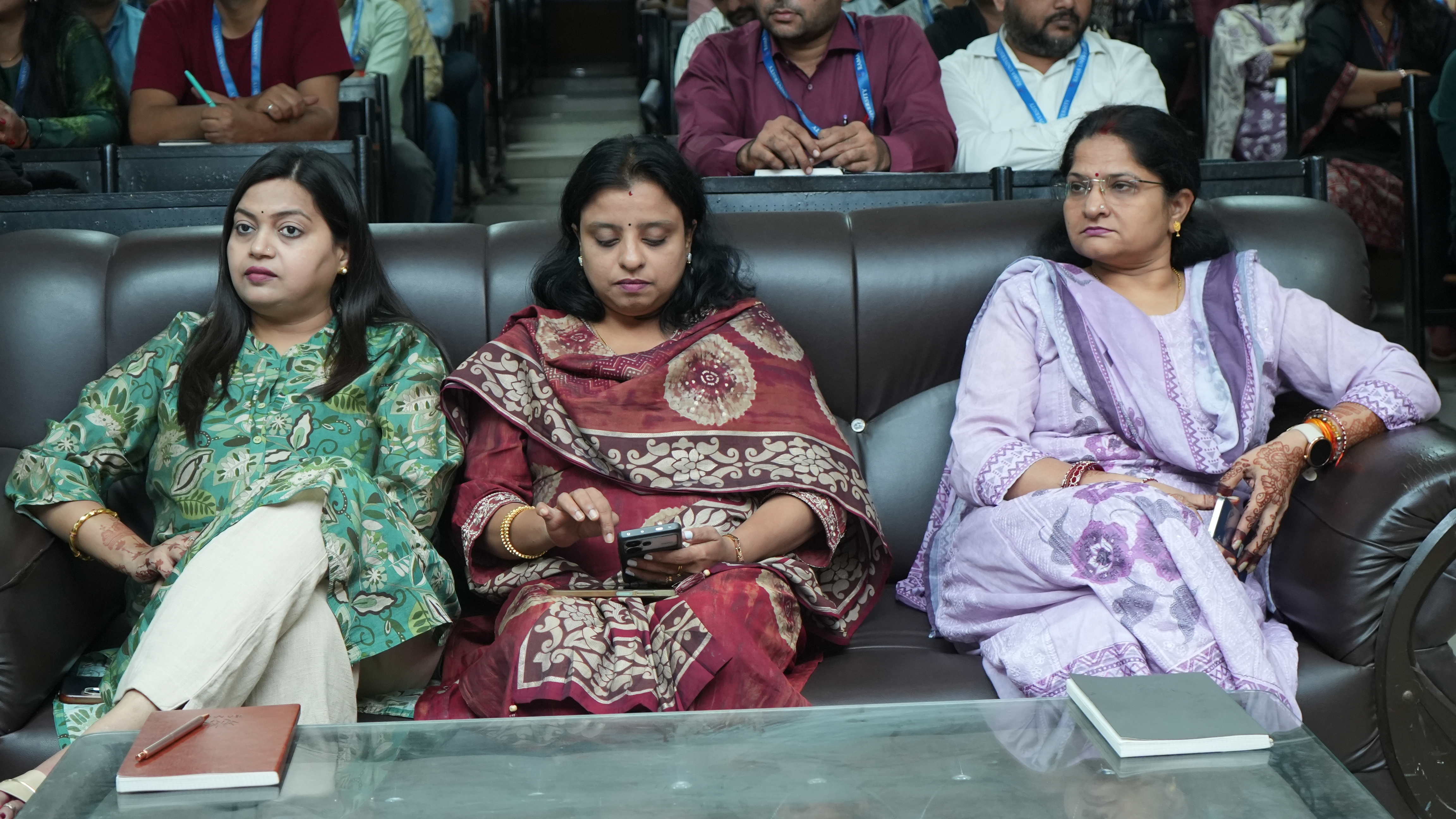
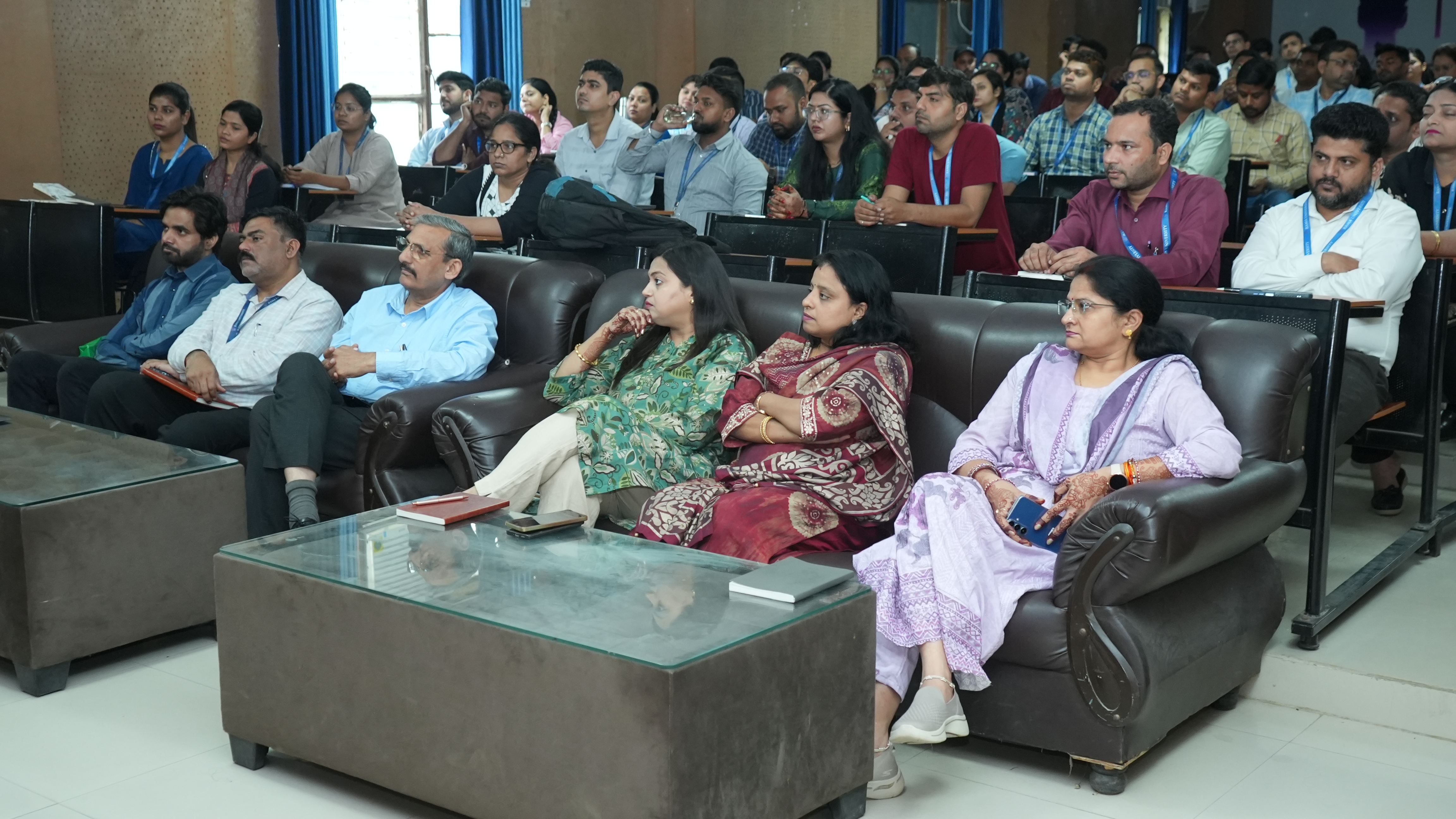
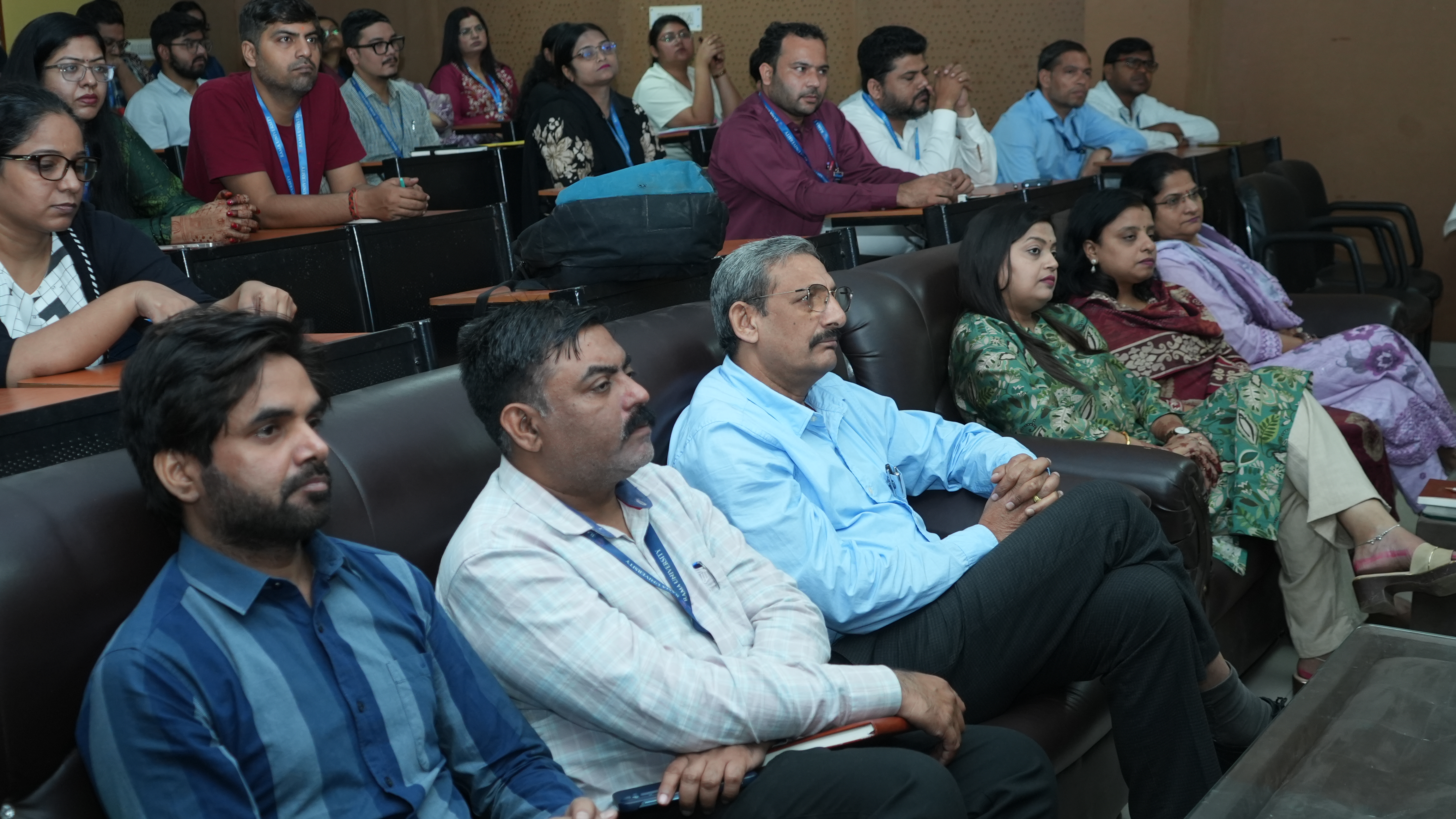
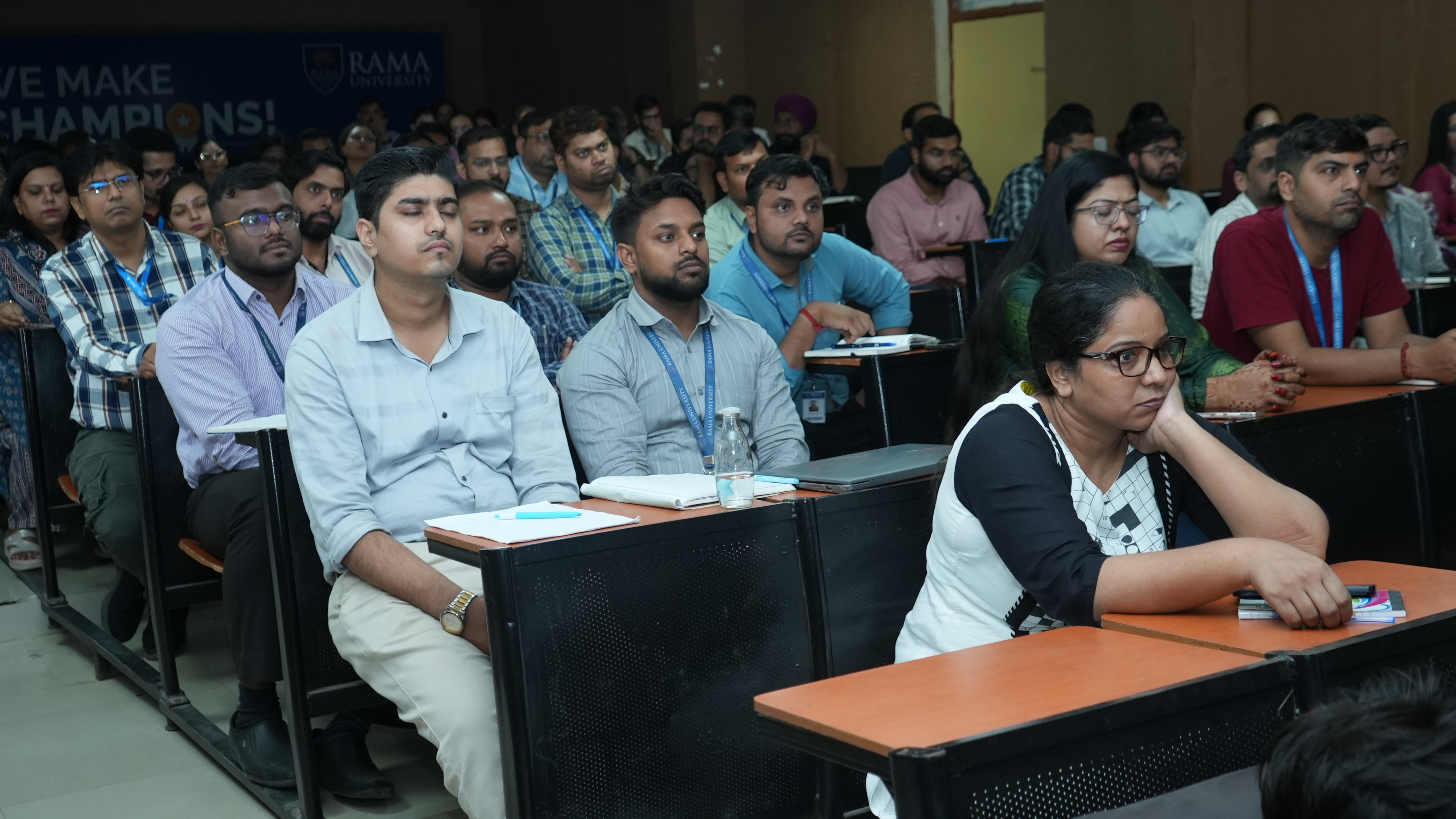
The Faculty of Pharmaceutical Sciences at Rama University, Kanpur, organized a comprehensive one-day capacity-building workshop titled “Outcome-Based Education (OBE): Program Outcomes, Course Outcomes & CO-PO Mapping” on Saturday, October 31, 2026, at the Seminar Hall, VC Building. The formal inaugural session commenced at 10:00 AM with the traditional lighting of the lamp and an invoking ceremony, followed by a warm welcome address emphasizing the university's commitment to aligning higher education standards with National Assessment and Accreditation Council (NAAC) quality benchmarks. The inaugural dignitaries highlighted the necessity of shifting from traditional teacher-centric instruction to a structured, student-centric, outcome-driven model that directly fosters measurable competencies across all academic disciplines.
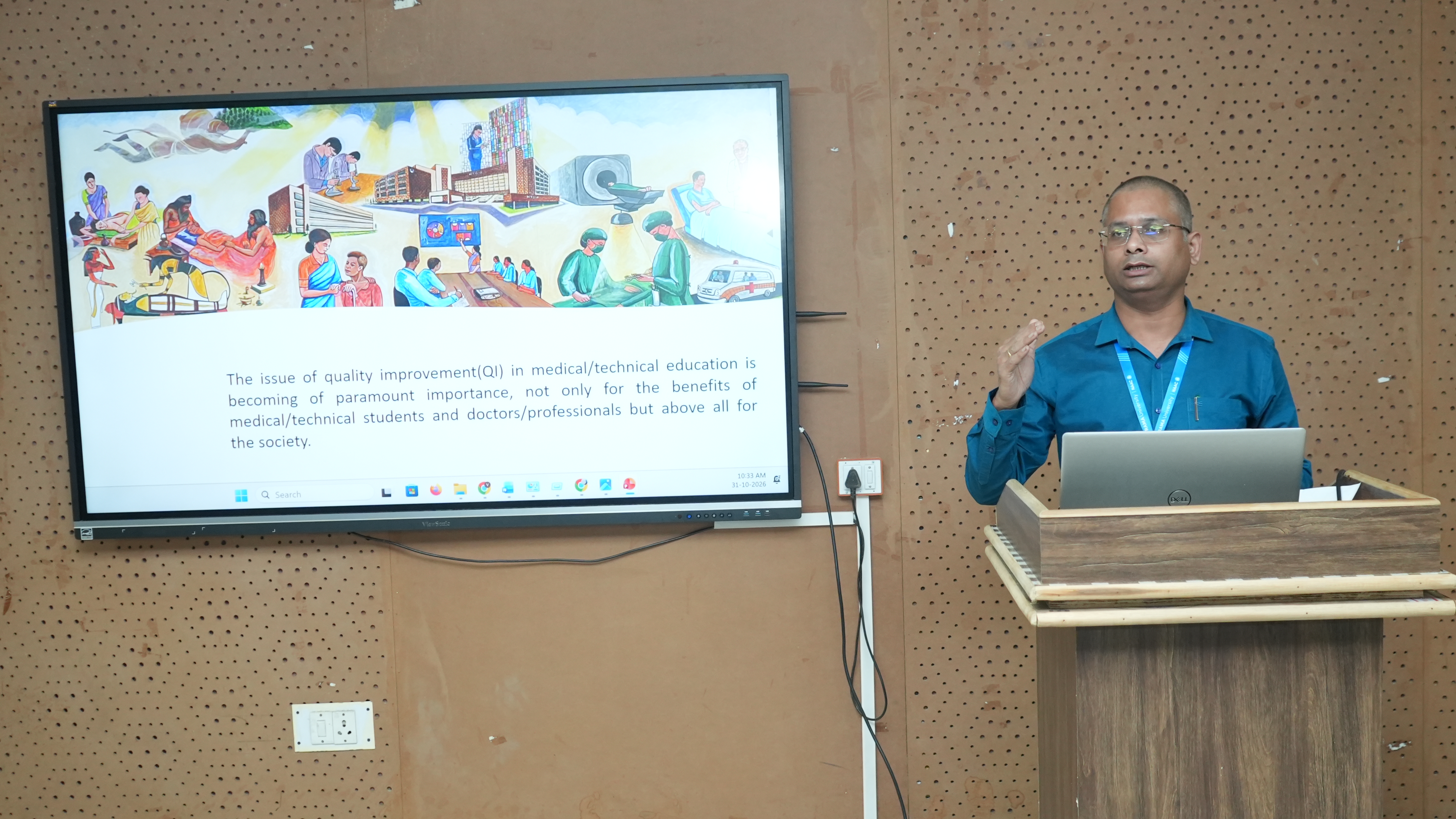
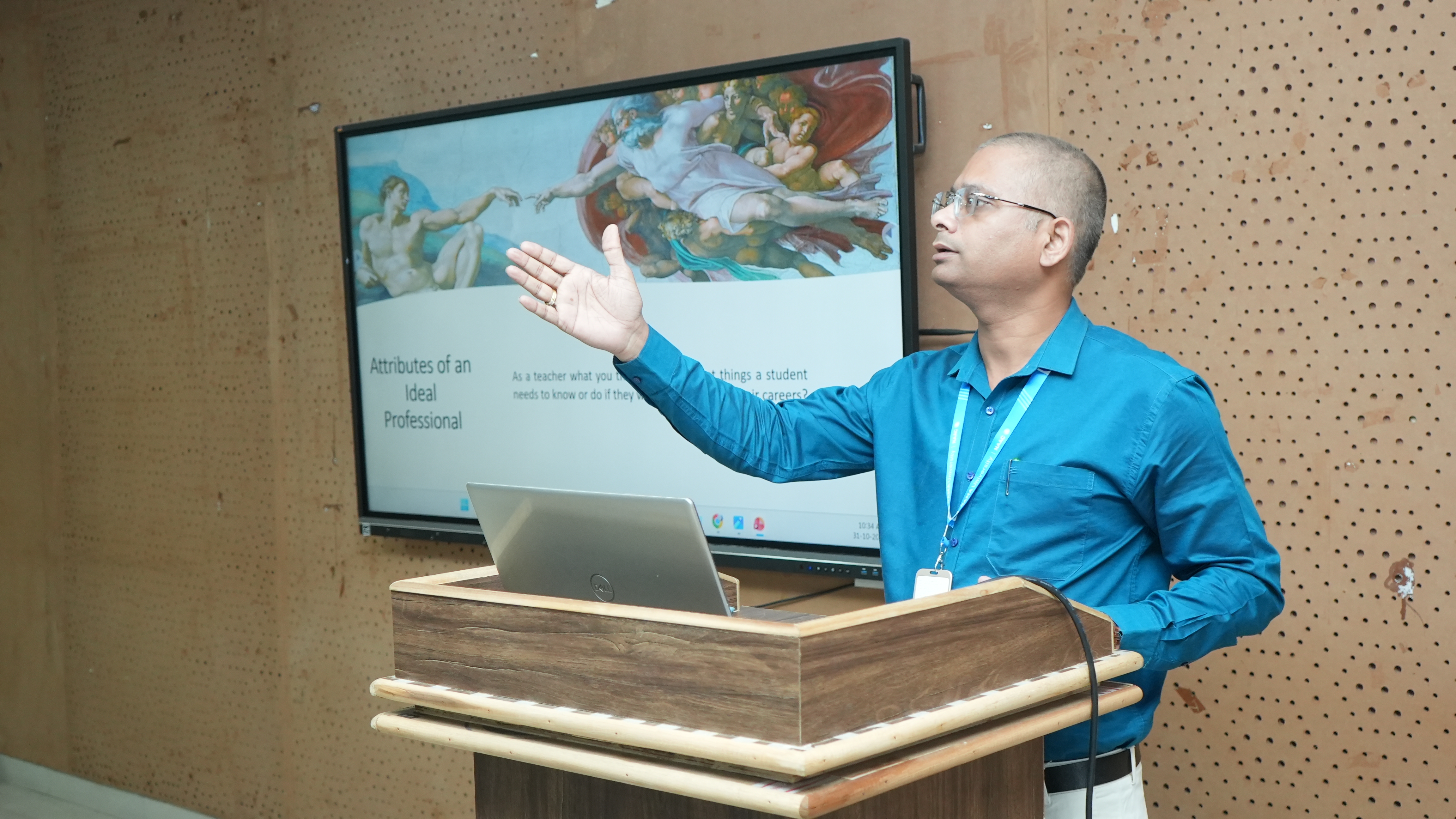
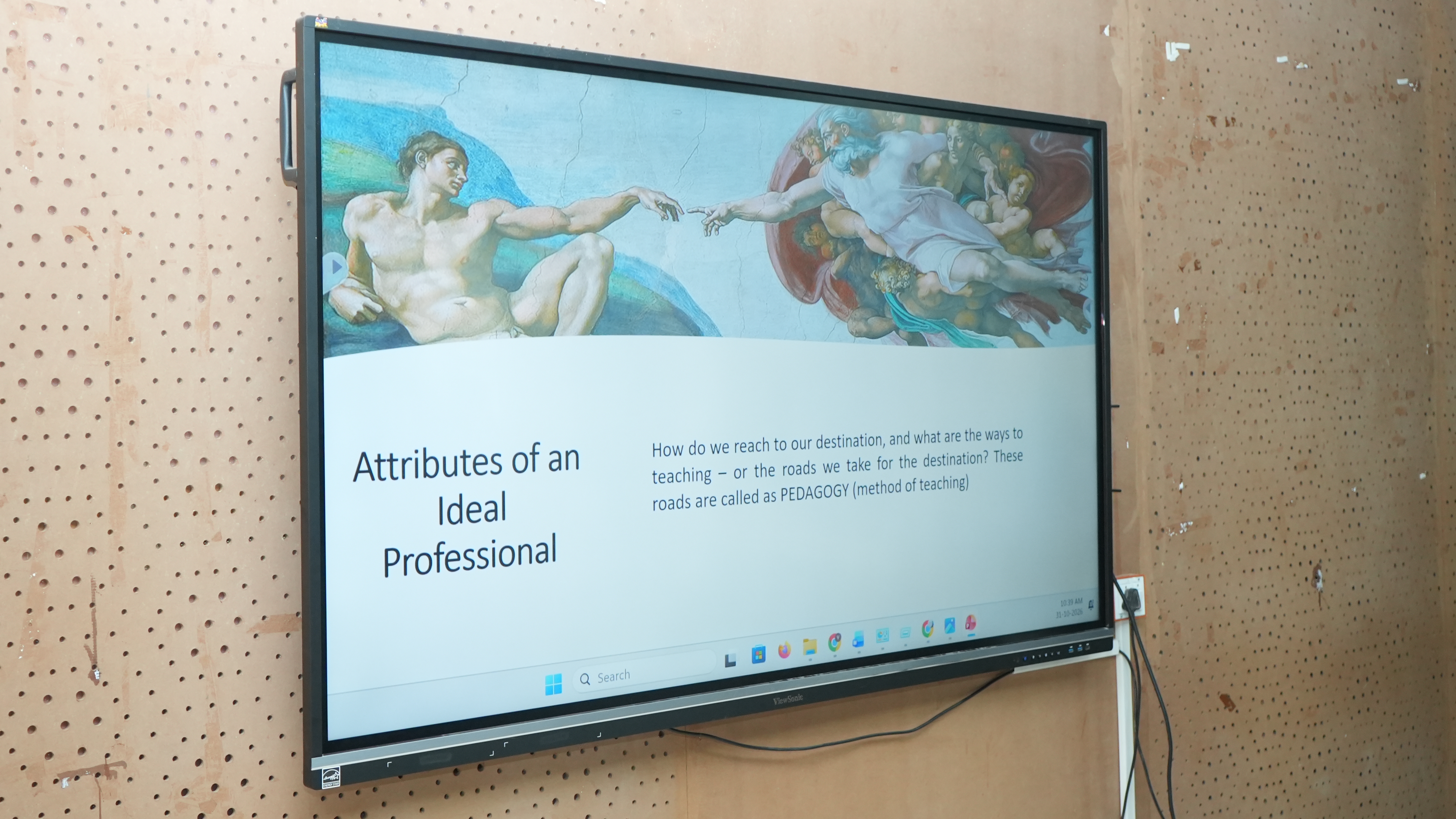
Following the inauguration, the chief resource person, Dr. Abhishek Gupta, Professor in the Faculty of Pharmaceutical Sciences, delivered an extensive technical session covering the core components of the OBE framework. The presentation thoroughly explored the principles of Revised Bloom's Taxonomy, guiding faculty members on utilizing higher-order cognitive domain action verbs to articulate clear, measurable, and assessable Course Outcomes (COs). Dr. Gupta demonstrated the logical formulation of Program Outcomes (POs) and the step-by-step establishment of CO-PO correlation mapping matrices using 3-point strength scales with explicit academic justifications. The session further examined the synchronization of teaching-learning methods with formative and summative assessment tools, culminating in strategies for analyzing outcome attainment data to enable continuous quality improvement.
To validate practical understanding and measure learning efficacy, two summative post-workshop evaluations consisting of scenario-based objective questionnaires were conducted. These assessments were designed to test participants' ability to identify cognitive levels under Bloom's Taxonomy, calculate direct attainment values, and formulate appropriate corrective action plans for unachieved target thresholds.
The workshop concluded with a formal vote of thanks delivered by the organizing committee. Expressing sincere gratitude to the university leadership, the Vice-Chancellor's office, the resource person Dr. Abhishek Gupta, and all participating faculty members across diverse departments, the organizers commended the collective enthusiasm toward enhancing institutional academic quality. Special appreciation was extended to the Internal Quality Assurance Cell (IQAC) and technical support teams for their contribution in executing a successful, NAAC-aligned capacity-building event.