News
Educational Visit to ICAR–Indian Institute of Pulses Research (ICAR-IIPR), Kanpur
22 Sep 2026
Date of Visit: 16th–17th September 2026
Venue: ICAR–Indian Institute of Pulses Research (ICAR-IIPR), Kanpur
Organized During: Engineers’ Day Celebration, 15th–17th September 2026
Organized By: Department of Biotechnology, Faculty of Engineering & Technology, Rama University, Mandhana, Kanpur Nagar
Total Participants: 110 First-Year Students
1. Introduction
The Department of Biotechnology, Faculty of Engineering & Technology (FET), Rama University, Mandhana, Kanpur Nagar, organized an educational visit to the ICAR–Indian Institute of Pulses Research (ICAR-IIPR), Kanpur, on 16th and 17th September 2026 as part of the Engineers’ Day Celebration 2026, held from 15th to 17th September 2026. The visit was organized by Dr. Renu Verma with the objective of providing students with meaningful exposure to advanced research, laboratory practices, and contemporary developments in biotechnology and agricultural sciences.
A total of 110 first-year students participated in the visit, comprising 60 B.Tech. Biotechnology students and 50 B.Sc. & M.Sc. Biotechnology students.
2. Leadership and Faculty Coordination
The educational visit was conducted under the guidance and leadership of Prof. (Dr.) Abhay Shukla, Dean, Faculty of Engineering & Technology; Prof. (Dr.) Vivek Srivastava, Head, Department of Biotechnology, FET; and Dr. Deeksha Ranjan, Head, Department of Applied Sciences & Humanities, FET, along with Dr. Samakshi Verma.
Faculty members from the Department of Biotechnology and the Department of Applied Sciences & Humanities actively coordinated and facilitated the participation of students throughout the visit. The coordination and guidance were provided by Dr. Vivek Srivastava, Dr. Samakshi Verma, Dr. Renu Verma, Praveen Kumar Dubey, Dr. Aruna Rani, and Dr. Shraddha Sahu.
The faculty members ensured proper discipline, coordination, guidance, and active student participation during all activities associated with the visit.
3. Objectives of the Educational Visit
The visit was organized with the following key objectives:
- To provide students with practical and experiential exposure to biotechnology and agricultural research.
- To familiarize students with research laboratories, scientific facilities, and ongoing research activities.
- To enhance students’ understanding of molecular biology, plant breeding, crop improvement, and pulse research.
- To provide exposure to contemporary research methodologies and their practical applications.
- To facilitate interaction between students and scientists and research professionals.
- To help students understand potential career and higher-education opportunities in biotechnology and agricultural research.
- To bridge the gap between theoretical classroom learning and practical research applications.
4. Exposure to Research and Scientific Facilities
During the educational visit, students were introduced to various research activities, laboratories, scientific facilities, and research-oriented practices at ICAR-IIPR.
The students gained valuable insights into the application of biotechnology and allied scientific disciplines in pulse research, molecular biology, plant breeding, crop improvement, and agricultural sciences. The visit helped students understand how scientific principles studied in the classroom are applied in real-world research and agricultural development.
5. Interaction with Scientists and Research Personnel
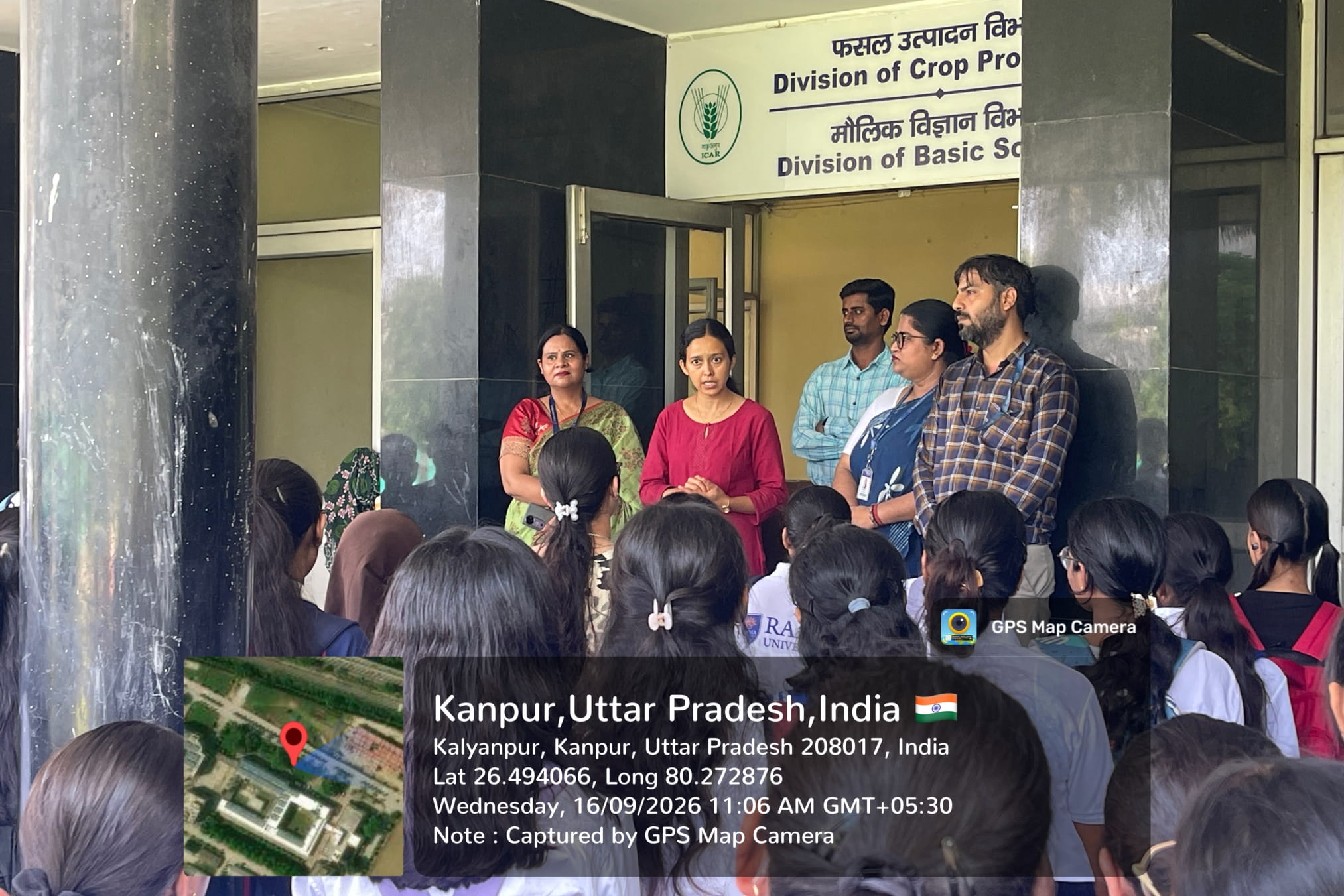
An important component of the visit was the interaction of students with scientists and research personnel at ICAR-IIPR. These interactions enabled students to gain a better understanding of contemporary research methodologies, scientific experimentation, crop improvement approaches, and research applications.
The interaction also provided students with an opportunity to learn about various career pathways, research opportunities, training possibilities, and higher education prospects in biotechnology and agricultural sciences.
Faculty members actively facilitated these interactions and encouraged students to relate the knowledge gained during the visit to their academic curriculum and future professional goals.
6. Academic Significance
The educational visit served as an effective platform for experiential and research-oriented learning. It enabled students to observe scientific practices beyond the classroom environment and develop a better understanding of the practical applications of biotechnology.
The visit particularly strengthened students’ understanding of the relationship between biotechnology, molecular biology, plant science, agricultural research, and crop improvement. Such exposure is valuable in encouraging students to explore scientific research, innovation, and interdisciplinary learning.
7. MoU and Institutional Collaboration
The visit was further strengthened by the active Memorandum of Understanding (MoU) between ICAR-IIPR and Rama University, which provides a formal framework for academic and research collaboration between the two institutions.
The collaboration facilitates opportunities for student exposure, knowledge exchange, research interaction, training, and other mutually beneficial academic activities. The institutional association provides a strong foundation for continued academic and research engagement between Rama University and ICAR-IIPR.
8. Outcome of the Visit
The educational visit was successfully conducted and proved to be informative, engaging, and academically enriching for both students and faculty members.
The visit:
- Enhanced students’ practical understanding of biotechnology and agricultural research.
- Provided exposure to professional research environments and scientific facilities.
- Encouraged interaction with scientists and research professionals.
- Helped students connect classroom concepts with practical applications.
- Increased awareness of research and higher-education opportunities.
- Encouraged interest in scientific research, innovation, and interdisciplinary learning.
- Strengthened the academic collaboration between Rama University and ICAR-IIPR.
9. Conclusion
The educational visit to ICAR–Indian Institute of Pulses Research, Kanpur, was a valuable academic initiative undertaken as part of the Engineers’ Day Celebration 2026. The participation of 110 first-year students provided them with an opportunity to experience a professional research environment and gain practical insights into biotechnology and agricultural sciences.
The active involvement and guidance of the Dean, Heads of Departments, faculty members, scientists, research personnel, and students contributed significantly to the successful completion of the visit. The programme effectively strengthened the connection between classroom learning and real-world research applications and encouraged students to develop greater interest in research, innovation, and higher education.
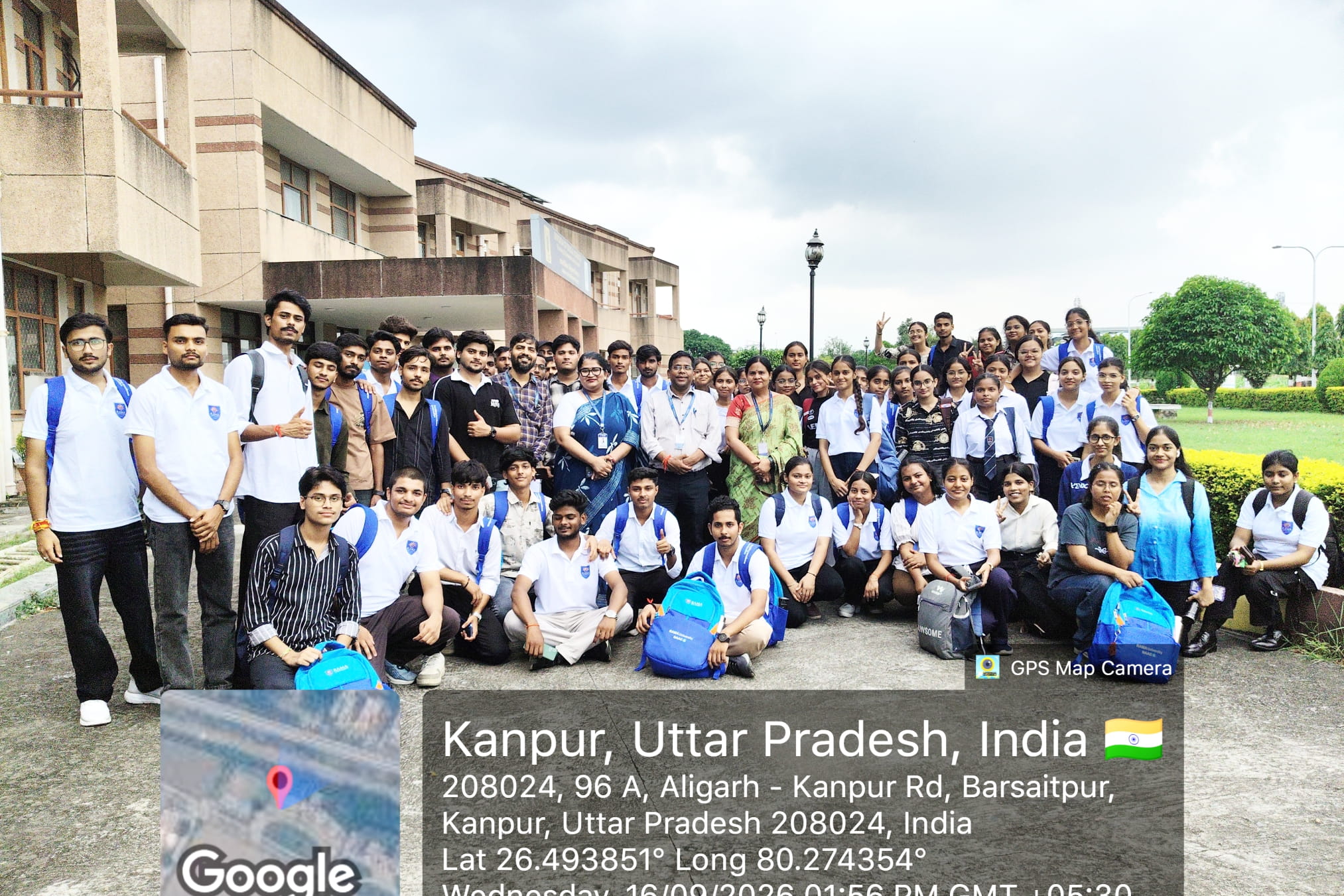
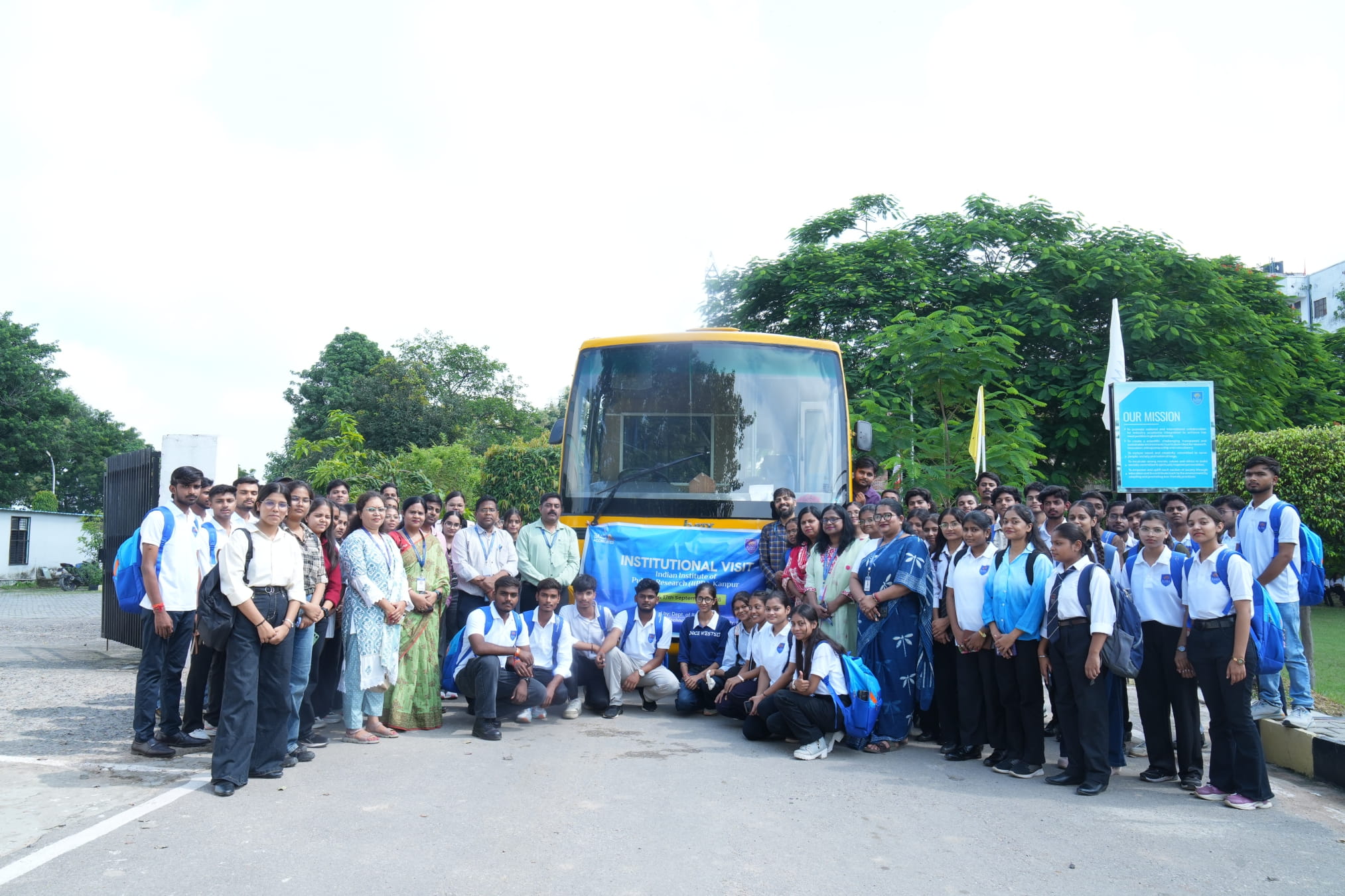
Selected photographs capturing various activities and memorable moments of the educational visit are attached for documentation and institutional record.