News
Faculty Development Programme Day 4 Highlights Competency-Based Assessment, Quality Assurance and Educational Innovation
26 May 2026
Event Title: “Advancing Excellence in Nursing Education through Competency-Based Assessment, Quality Assurance & Innovative Practices”
Event: 5 Days Faculty Development program-2026
Day: Day-4
Mode: Hybrid
Date: 29th May, 2026
Time: 11:00 am onwards
Theme: “Empowering Nurse Educators: Bridging Education, Practice, Research & Innovations”
Organized by: Faculty of Nursing, Rama University, Kanpur.
The fourth day of the Faculty Development Programme was conducted successfully in hybrid mode with enthusiastic participation from nursing educators, postgraduate students, academicians, and research scholars from various institutions. The sessions of the day mainly focused on competency-based assessment, quality assurance, accreditation practices, and innovations in nursing education. The programme provided valuable practical insights regarding structured clinical evaluation methods, institutional quality management, and modern educational approaches necessary for academic excellence in nursing education.
The programme commenced at 10:25 am with the note delivered by Prof. Dr. Jasmi Johnson, Dean cum Principal, Rama College of Nursing, Rama University. In her address, she welcomed all the distinguished speakers, faculty members, participants. The brief introduction of the first resource person by Prof. Vipin A., HOD, Child Health Nursing, Rama College of Nursing, Rama University. He welcomed the participants and emphasized the importance of competency-oriented education and continuous quality enhancement in nursing institutions.
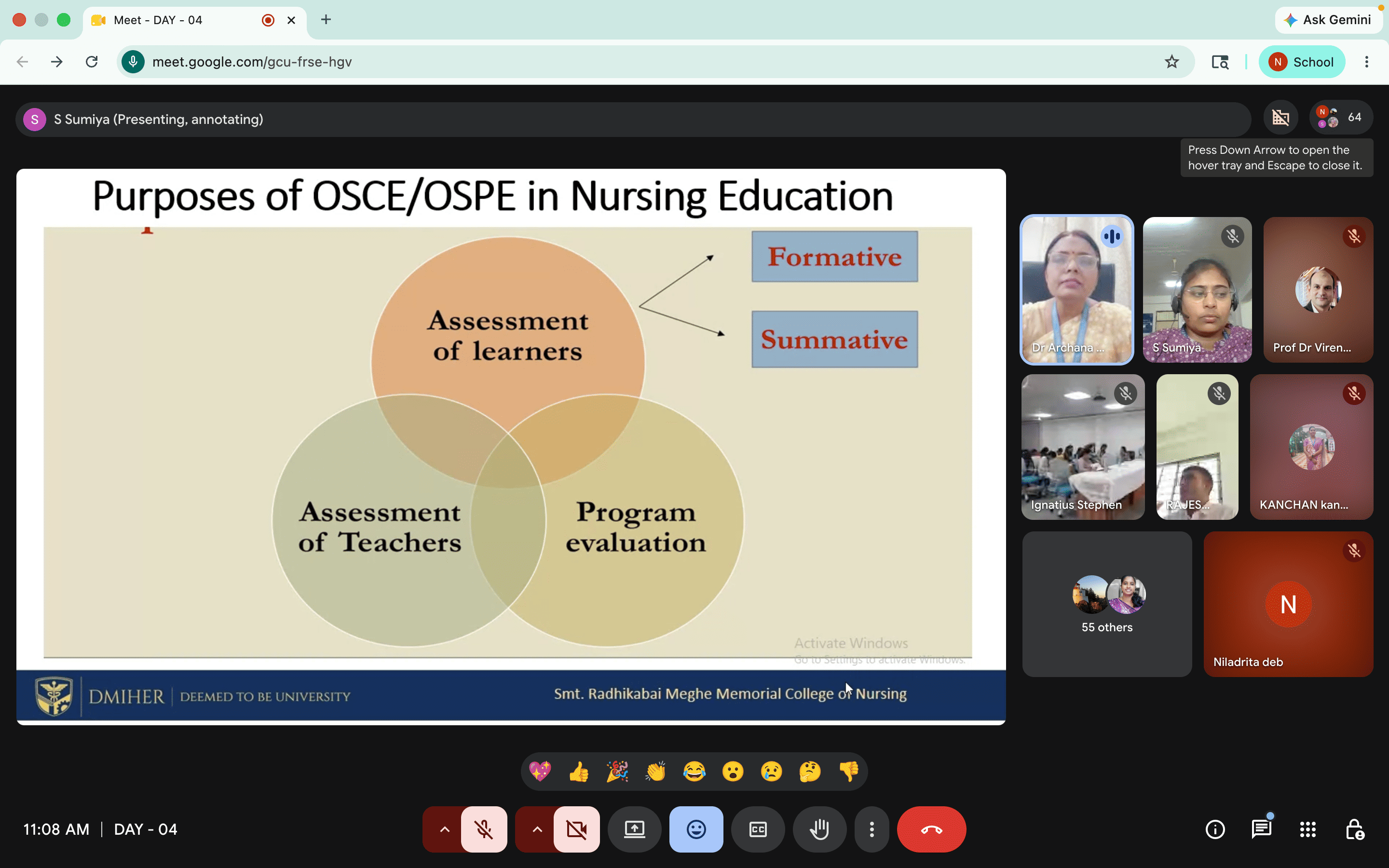
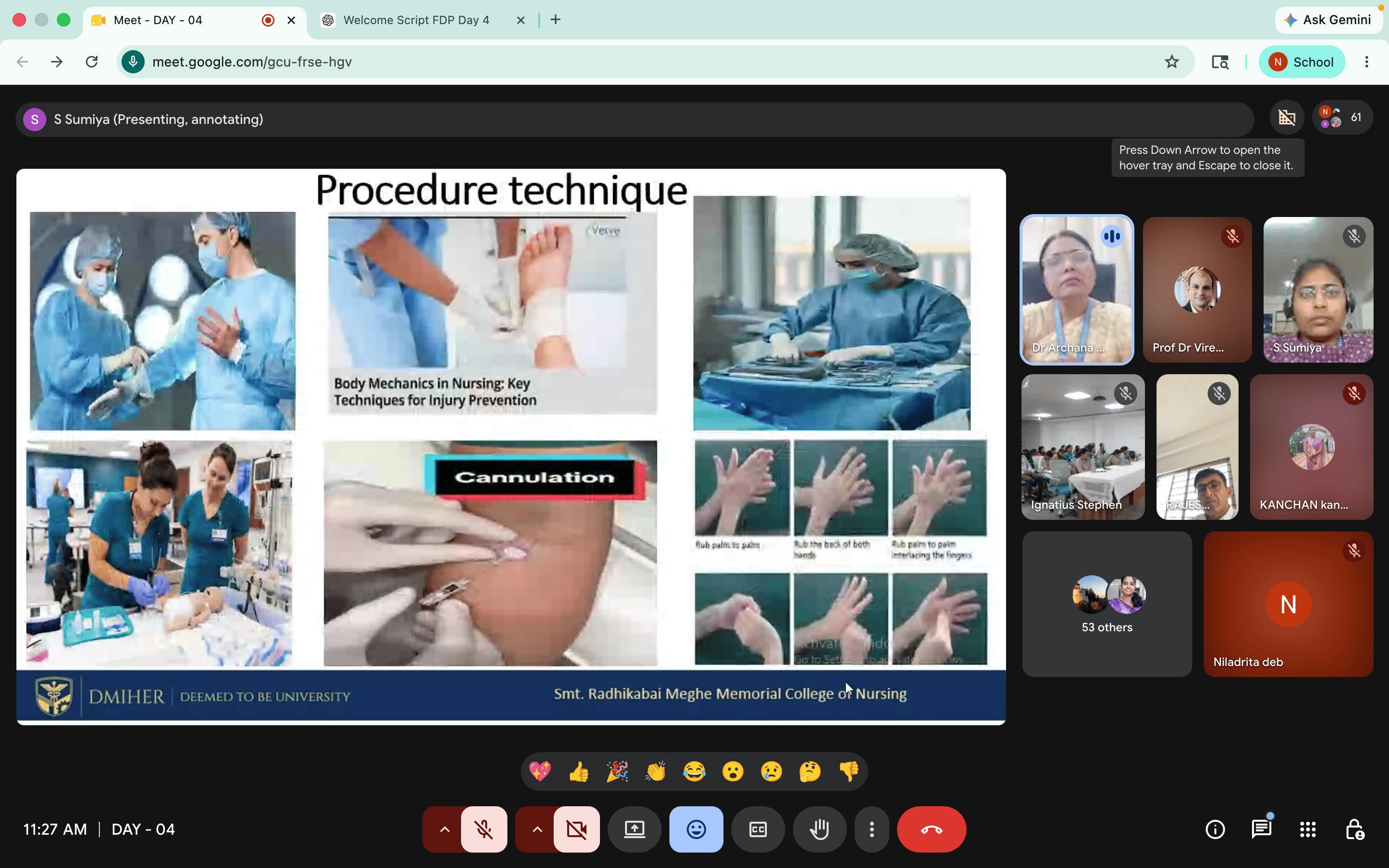
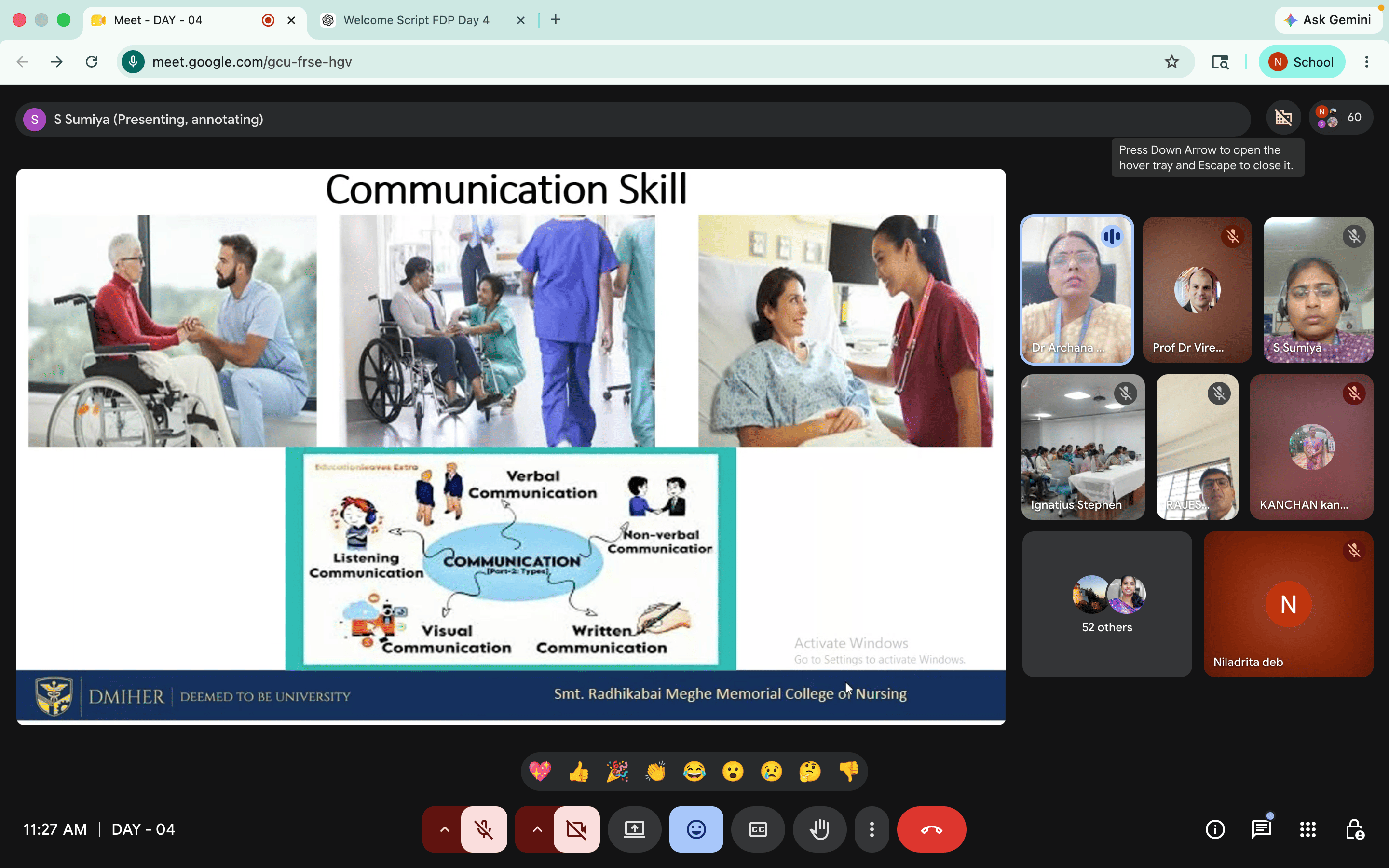
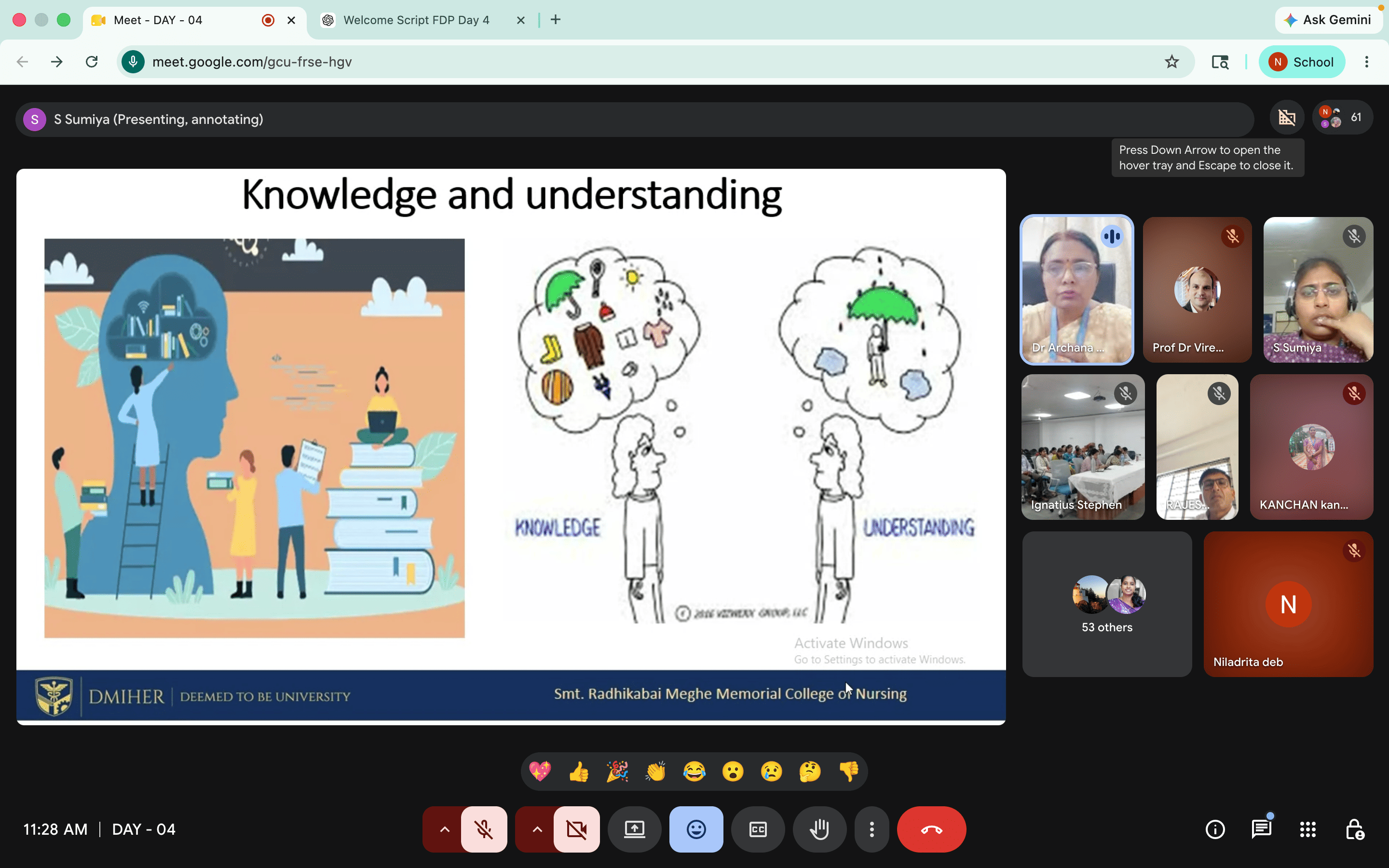
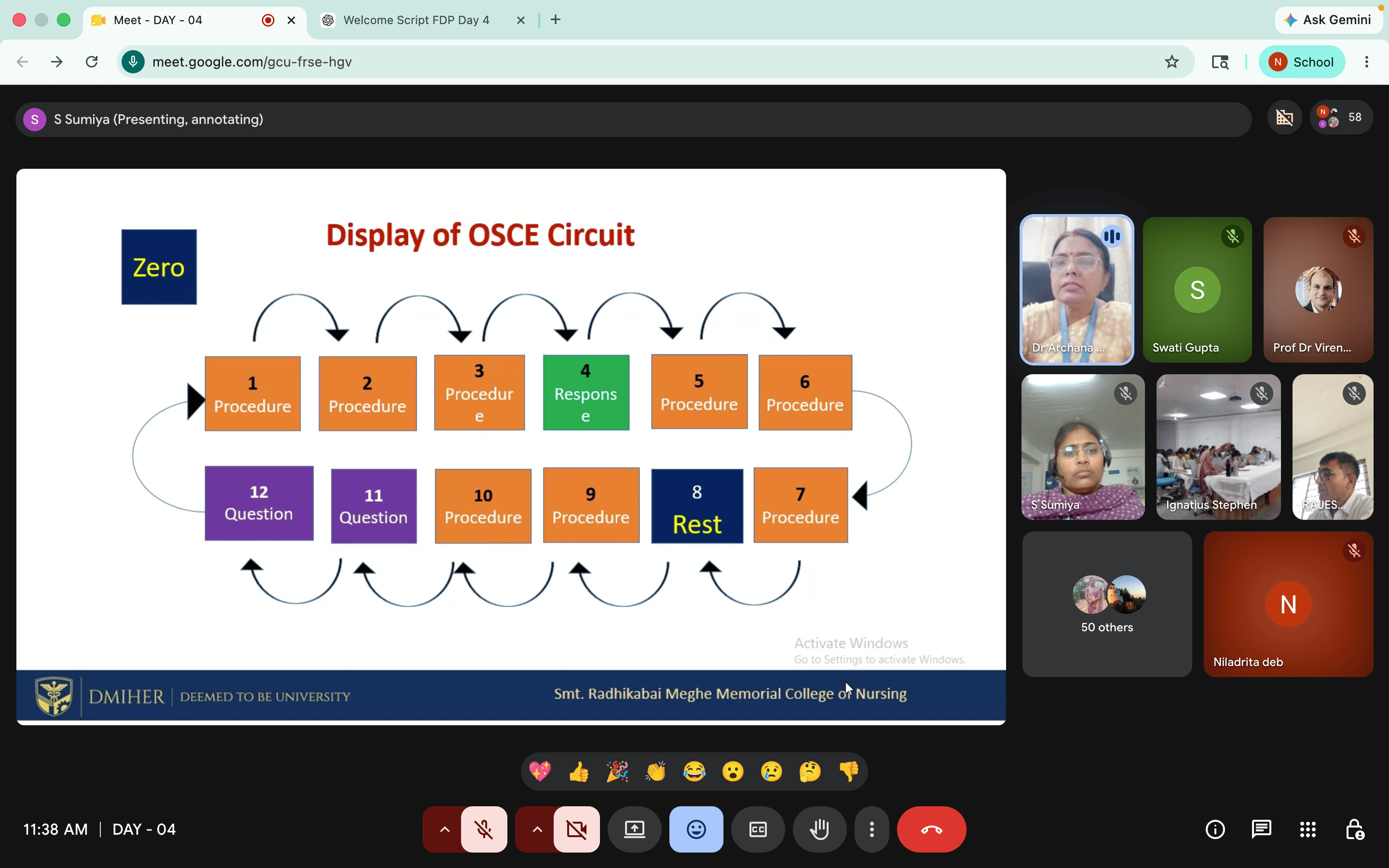
The first keynote session was delivered by Dr. Archana T. Maurya, Professor cum Vice Principal, SRMMCON, DMIHER (DU), on the topic “OSCE & OSPE Designing Competency-Based Assessment.” During her presentation, she explained the importance of structured evaluation techniques in assessing students’ clinical knowledge, psychomotor skills, and decision-making abilities. She elaborated on the preparation of OSCE and OSPE stations, checklist formulation, scoring systems, time management, and methods to maintain objectivity and fairness during examinations. The speaker also highlighted how competency-based assessments improve students’ clinical confidence, professional accountability, and practical learning outcomes. Real-life examples and institutional experiences shared during the session made the topic highly informative and understandable for the participants.
The second session commenced with the introduction of the guest speaker by Mrs. Agnes Mahima David, Associate Professor, Department of Obstetrics and Gynaecological Nursing, Rama College of Nursing, Rama University.
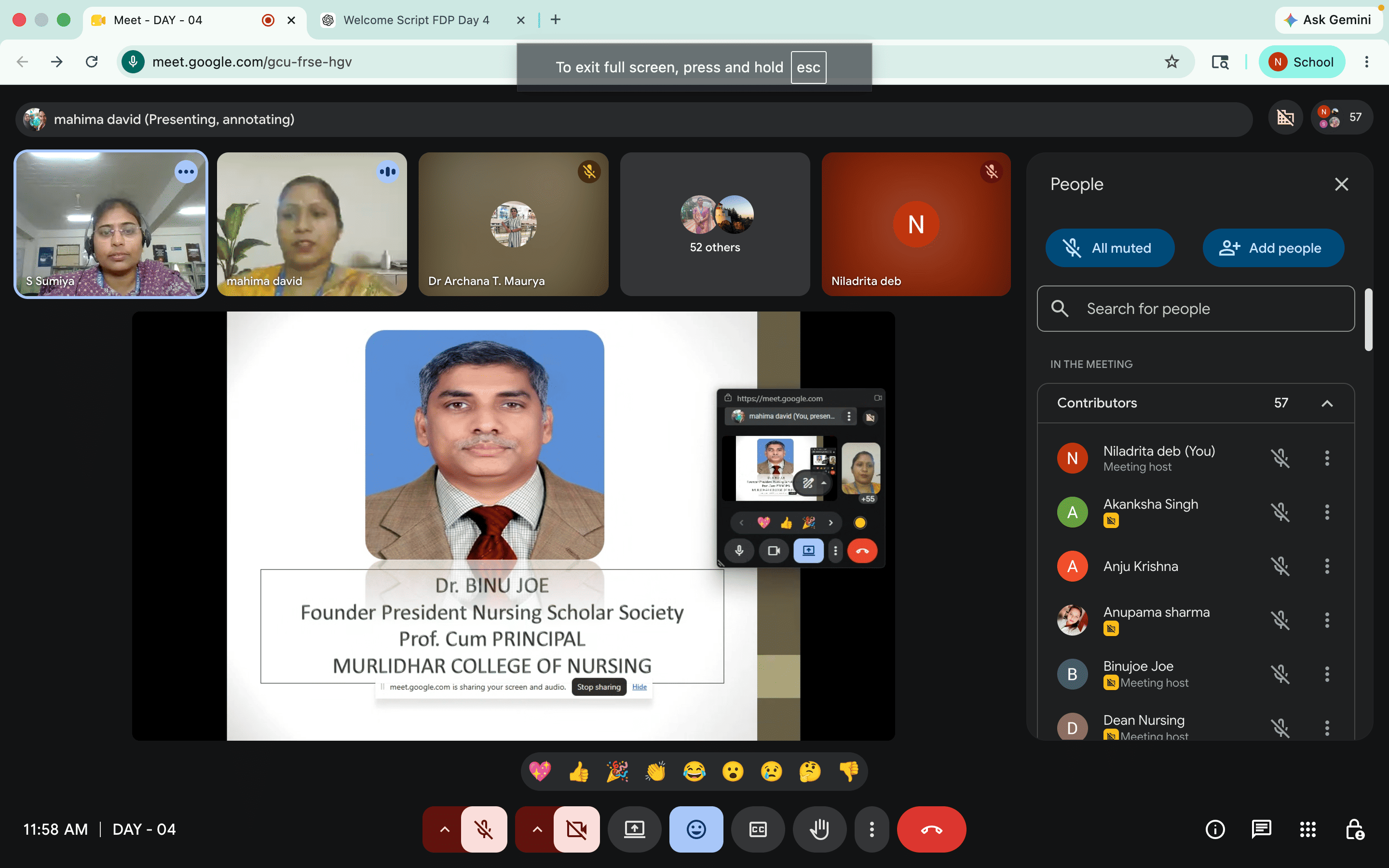
The second keynote lecture was delivered by Dr. Binu Joe, Professor cum Principal, Murlidhar College of Nursing, Gujarat, on the topic “Quality Assurance, Accreditation & Documentation in Nursing.” The resource person provided comprehensive information regarding quality assurance mechanisms in nursing education and healthcare services. He discussed accreditation frameworks, NAAC criteria, academic audits, internal quality assurance systems, and institutional documentation practices. Special emphasis was given to maintaining systematic records related to academic activities, student achievements, faculty development programmes, research activities, and clinical training. The speaker also explained the importance of effective documentation in ensuring institutional transparency, accountability, and continuous quality improvement.
The third scientific session began with the brief introduction of the guest speaker by Mrs. Niladrita Deb, Associate Professor, Medical-Surgical Nursing, Rama College of Nursing, Rama University.
The final keynote address of the day was delivered by Dr. Virendra Singh Choudhary, Professor & Principal, Smt. Vidyawati College of Nursing, Jhansi, Uttar Pradesh. The speaker highlighted the importance of innovative educational strategies and leadership in strengthening nursing education and professional development. He emphasized the need for integrating evidence-based teaching methods, research orientation, technological advancements, and professional ethics into nursing curricula to meet the evolving healthcare demands. The session motivated participants to adopt learner-centered approaches and innovative academic practices for improving nursing education standards.
All the sessions were highly interactive and encouraged active participation through discussions, questions, and experience sharing. Faculty members and participants appreciated the practical insights shared by the eminent speakers regarding competency-based assessment, accreditation preparedness, documentation practices, and educational innovations in nursing education.
The programme concluded with a brief summary of the day’s learning experiences followed by the vote of thanks at 1:35 pm. The organizing committee expressed sincere gratitude to all the esteemed speakers, participants, faculty coordinators, and organizing members for their valuable support and cooperation in making Day 4 of the Faculty Development Programme informative and successful.