News
Faculty of Nursing Conducted Applied Nutrition and Dietetics Practical Training Programme for Nursing Students
04 Jul 2026
Day: Two days (02/07/2026 – 03/07/2026)
Event Activities: Balanced diet Planning for Different Age Groups, Meal Planning Using Food Exchange Lists, Preparation of Low-Cost Nutritious Recipes
Venue: Nutrition Laboratory and Seminar Hall
Date: 02/07/2026 – 03/07/2026
Time: 9.15am-4.15pm
Theme: "From Food to Health: Applying Nutrition Principles for Better Patient Care"
Participants: 2nd sem B. Sc Nursing students
Organized by: Faculty of Nursing, Rama University, Kanpur.
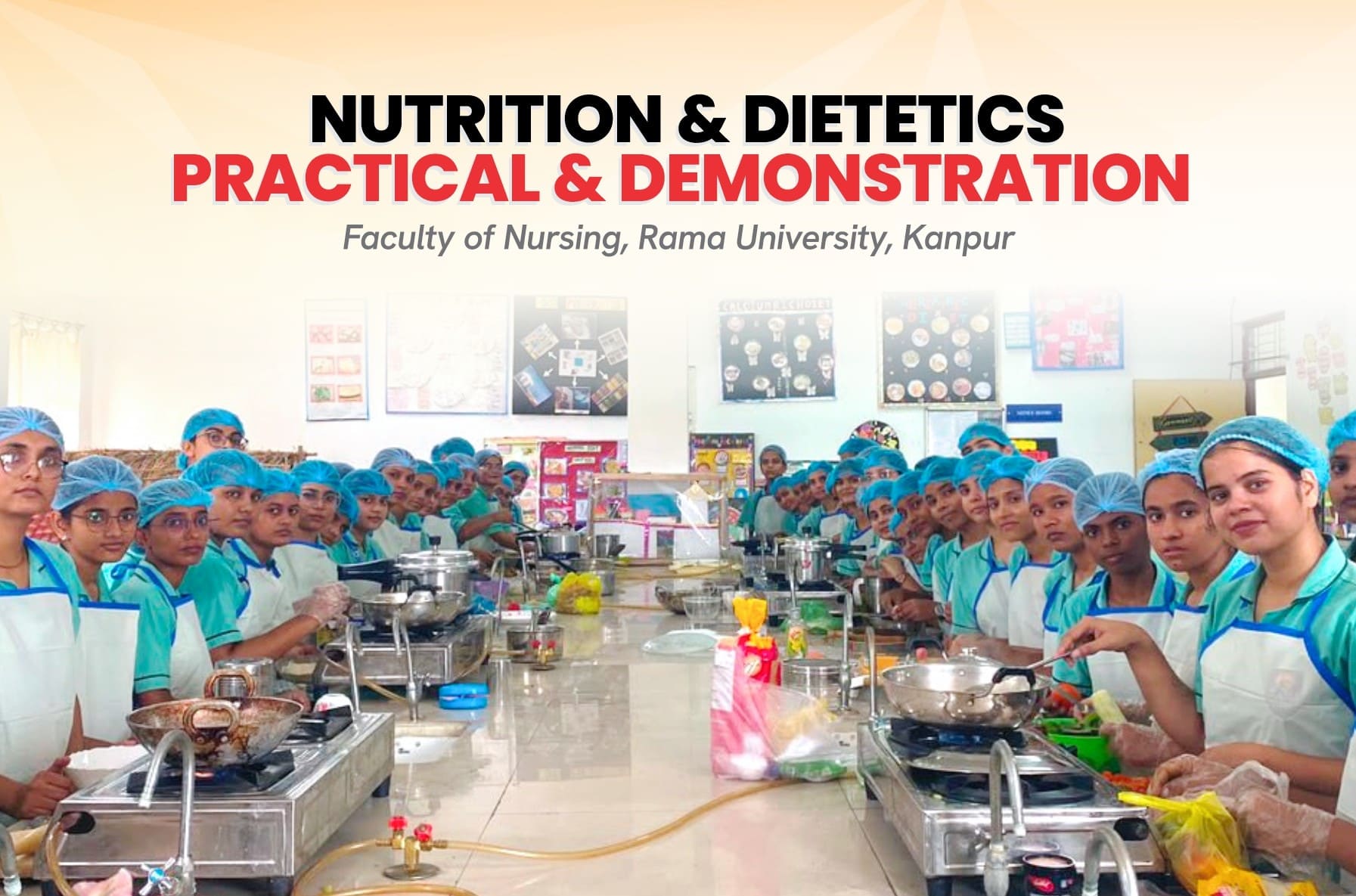
The Faculty of Nursing, Rama University, Kanpur, successfully organized the Applied Nutrition and Dietetics Practical – 2026 for II Semester B.Sc. Nursing students over two days, from 02 July 2026 to 03 July 2026. The programme was designed to provide experiential learning opportunities that would strengthen students’ understanding of nutritional requirements across different age groups and disease conditions.
The practical sessions focused on balanced diet planning for different age groups, meal planning using the Food Exchange System, and preparation of low-cost nutritious recipes. Students actively participated in planning, preparing, exhibiting, and presenting therapeutic and balanced diets based on scientific nutritional principles, Recommended Dietary Allowances (RDA), dietary modifications, and nutritional counselling concepts. The programme enabled students to integrate theoretical knowledge with practical application while developing professional competencies in nutritional assessment, meal planning, health education, communication, and teamwork.
OBJECTIVES OF THE PROGRAMME
- To enhance students’ practical knowledge regarding balanced and therapeutic diets.
- To enable students to apply the principles of nutrition in meal planning.
- To develop understanding of Recommended Dietary Allowances (RDA) for different population groups.
- To demonstrate the application of the Food Exchange System in diet planning.
- To promote the preparation of low-cost, nutritious, and culturally acceptable meals.
- To strengthen students’ skills in dietary counselling and health education.
- To improve communication, teamwork, and presentation skills among nursing students.
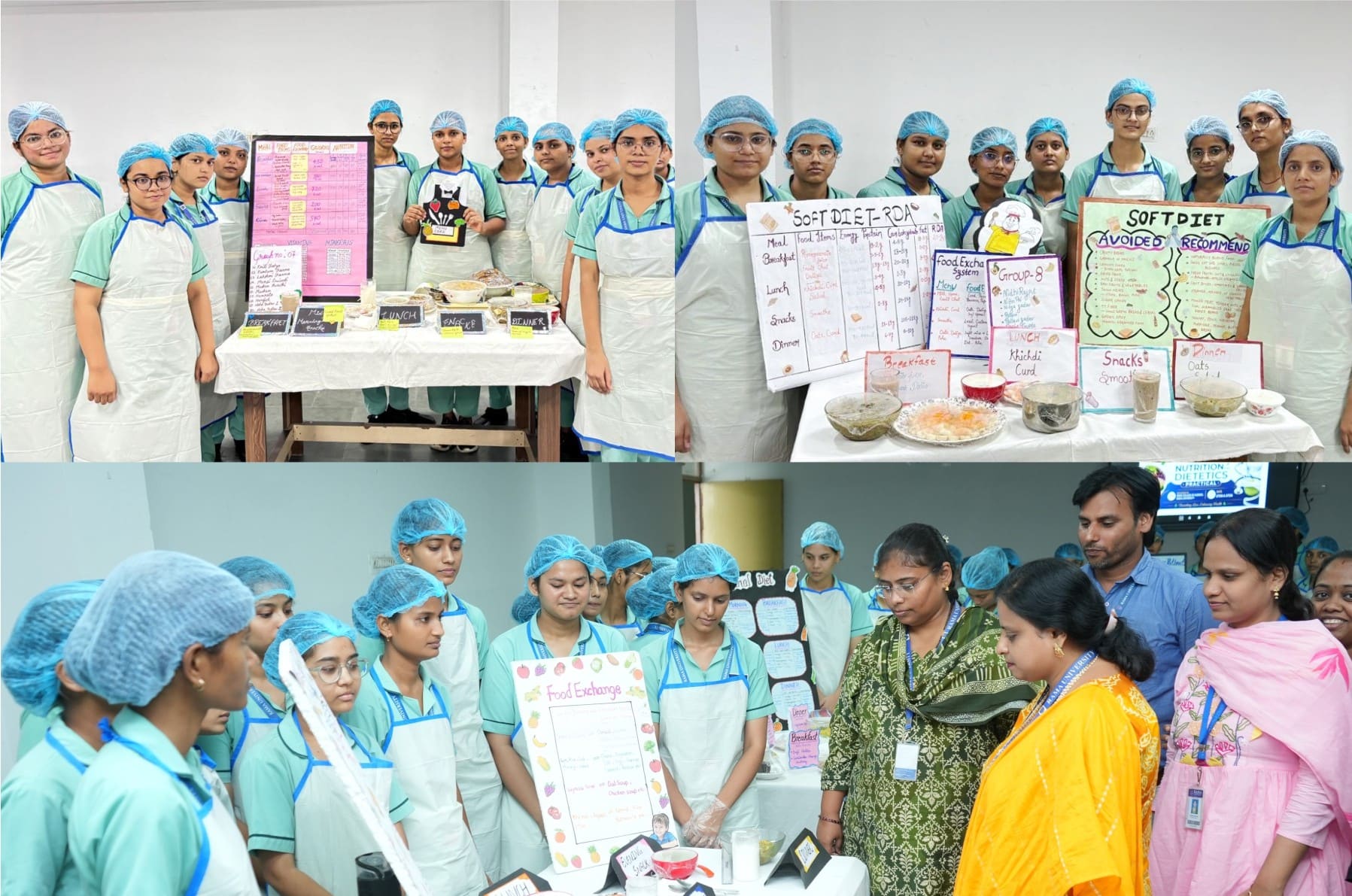
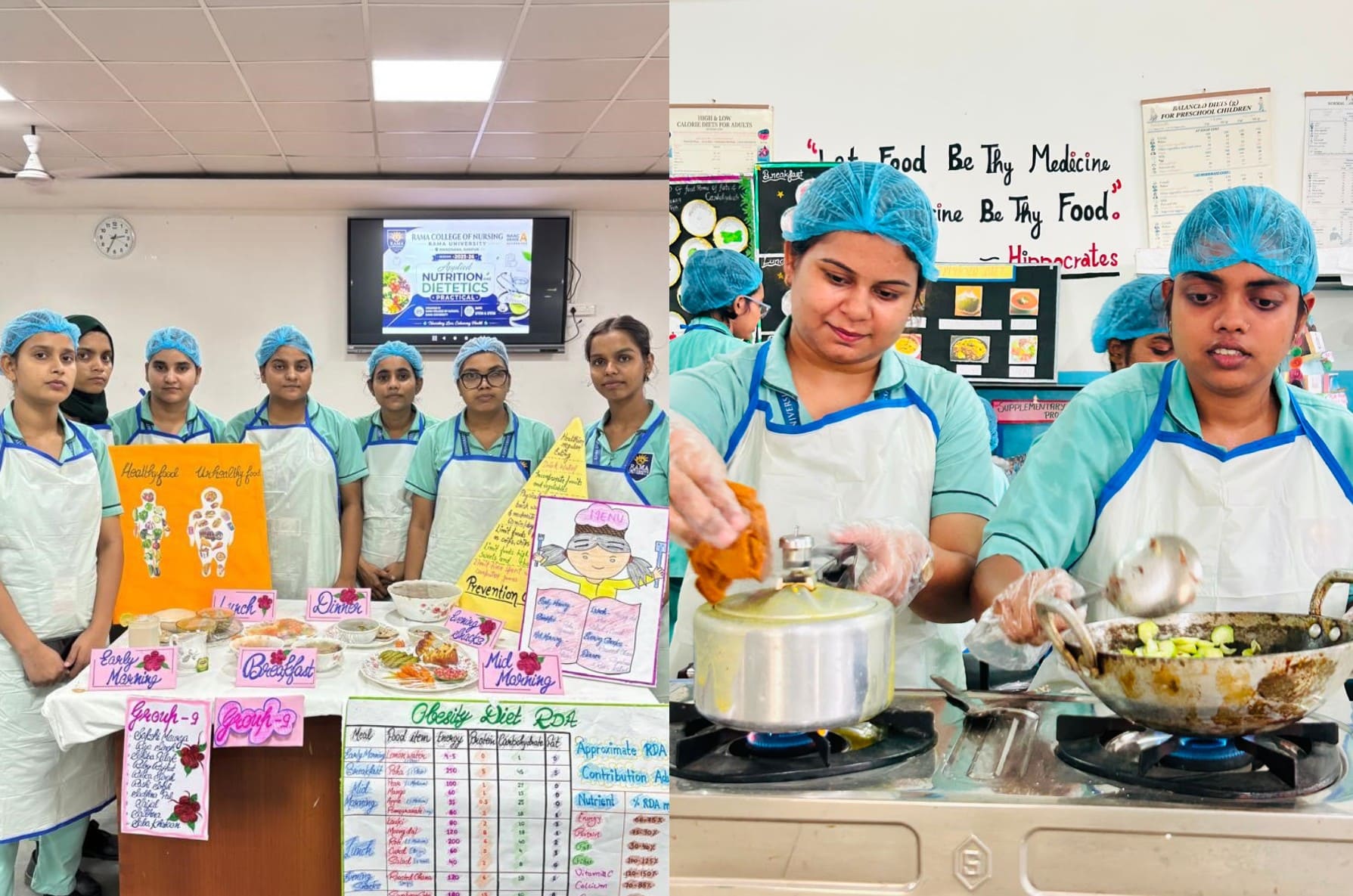
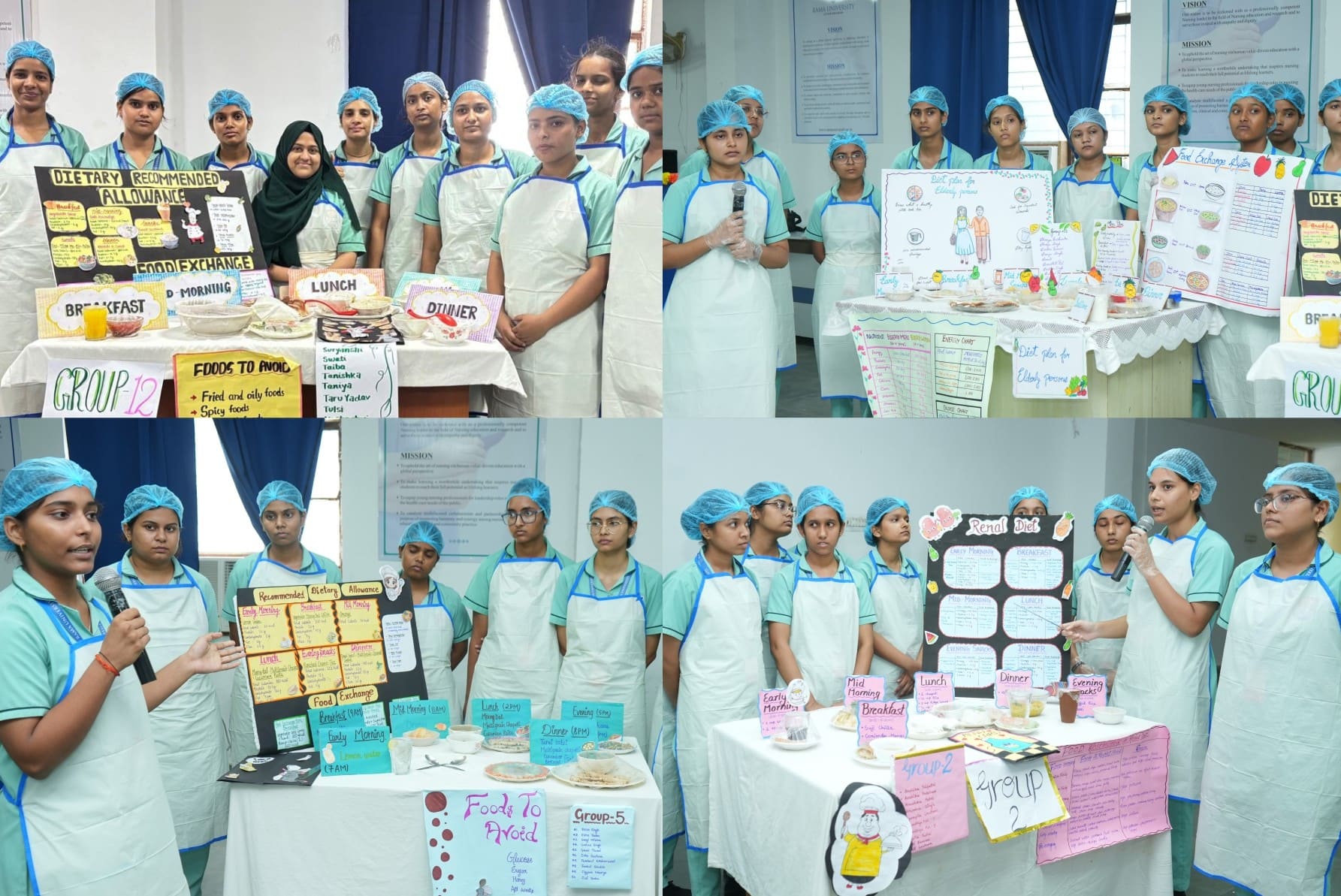
The programme commenced with students working in groups to prepare and display various therapeutic and special diets. Each group presented the nutritional principles, indications, dietary modifications, RDA requirements, Food Exchange System, and health benefits related to their assigned diet. Students demonstrated creativity, scientific accuracy, and practical understanding while preparing economical and nutritious meals.
DAY 1 PRESENTATIONS 02-07-26
- Group 1: Balanced Diet Plan for School-Age Children
Students presented a balanced diet emphasizing adequate energy, protein, vitamins, and minerals required for growth and development. A one-day menu plan was displayed, highlighting healthy food choices that support physical and cognitive development.
- Group 2: Renal Diet: The group demonstrated a diet suitable for patients with chronic kidney disease. The presentation focused on controlled intake of protein, sodium, potassium, and phosphorus while ensuring adequate calorie consumption to reduce the burden on the kidneys.
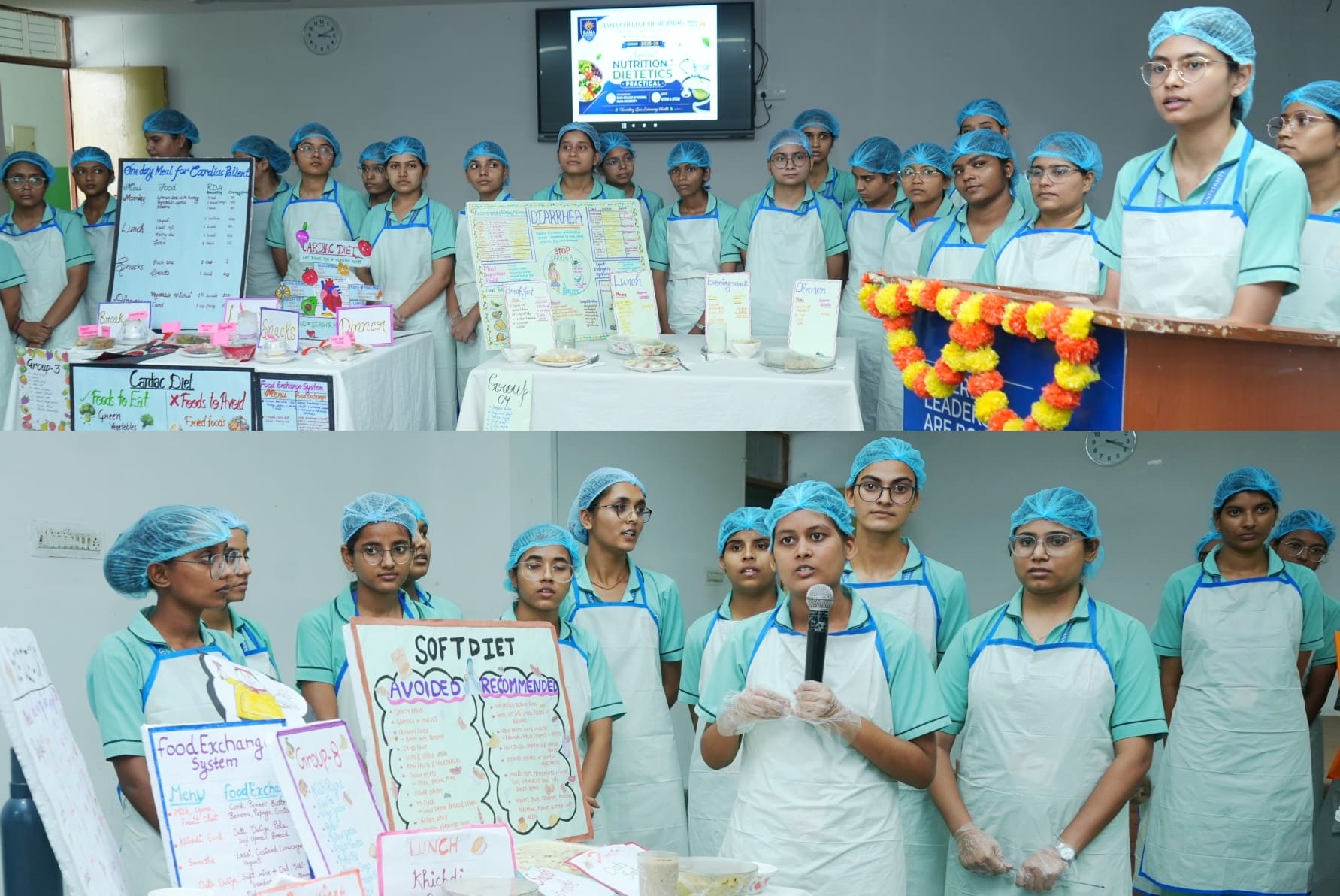
- Group 3: Cardiac Diet: Students prepared a heart-healthy diet containing foods low in saturated fat, cholesterol, and sodium. The menu incorporated oats, fruits, vegetables, and lean protein sources, emphasizing dietary management in cardiovascular disease prevention and control.
- Group 4: Diet for Diarrhea (Low Residue Diet): The group presented a low-residue diet suitable for patients experiencing diarrhea or recovering from bowel surgery. Easily digestible foods were demonstrated to promote bowel rest and recovery.
- Group 5: Diabetic Diet: Students displayed a diabetic diet focusing on blood glucose control through the inclusion of whole grains, vegetables, pulses, and low-glycaemic foods while avoiding refined sugars and sweets.
- Group 6: Diet Plan for Pregnancy: The group demonstrated a balanced diet for pregnant women emphasizing increased requirements of protein, iron, calcium, folic acid, and other essential nutrients necessary for maternal and fetal well-being.
DAY 2 PRESENTATIONS 03-07-26
- Group 1: Diet for Underweight Individuals (High-Calorie Diet): Students prepared a high-calorie diet containing energy-dense foods such as nuts, ghee, bananas, and whole milk. The presentation emphasized adequate calorie and protein intake for healthy weight gain.
- Group 2: Diet for Gastrointestinal Disorders (Soft Diet): The group demonstrated a soft diet suitable for gastrointestinal disorders, dental issues, and swallowing difficulties. Soft-cooked rice, mashed potatoes, soft fruits, and easily digestible foods were included.
- Group 3: Diet for Obesity (Low-Calorie Diet): Students prepared a low-calorie diet emphasizing fruits, vegetables, salads, and low-fat foods while restricting excessive fats and sugars. The importance of portion control and healthy lifestyle practices was discussed.
- Group 4: Diet for Constipation: The presentation focused on a high-fiber diet containing salads, fruits, whole wheat products, sprouted pulses, and adequate fluids to promote bowel health and prevent constipation.
- Group 5: Diet Plan for Elderly Persons: Students demonstrated a balanced diet designed to meet the nutritional needs of older adults, emphasizing adequate protein, calcium, vitamins, minerals, hydration, and easily digestible foods.
- Group 6: Post-Operative Diet: The group prepared a post-operative diet including khichdi, dal soup, custard, mashed vegetables, and protein-rich milkshakes. The presentation highlighted the role of nutrition in wound healing, tissue repair, and recovery.
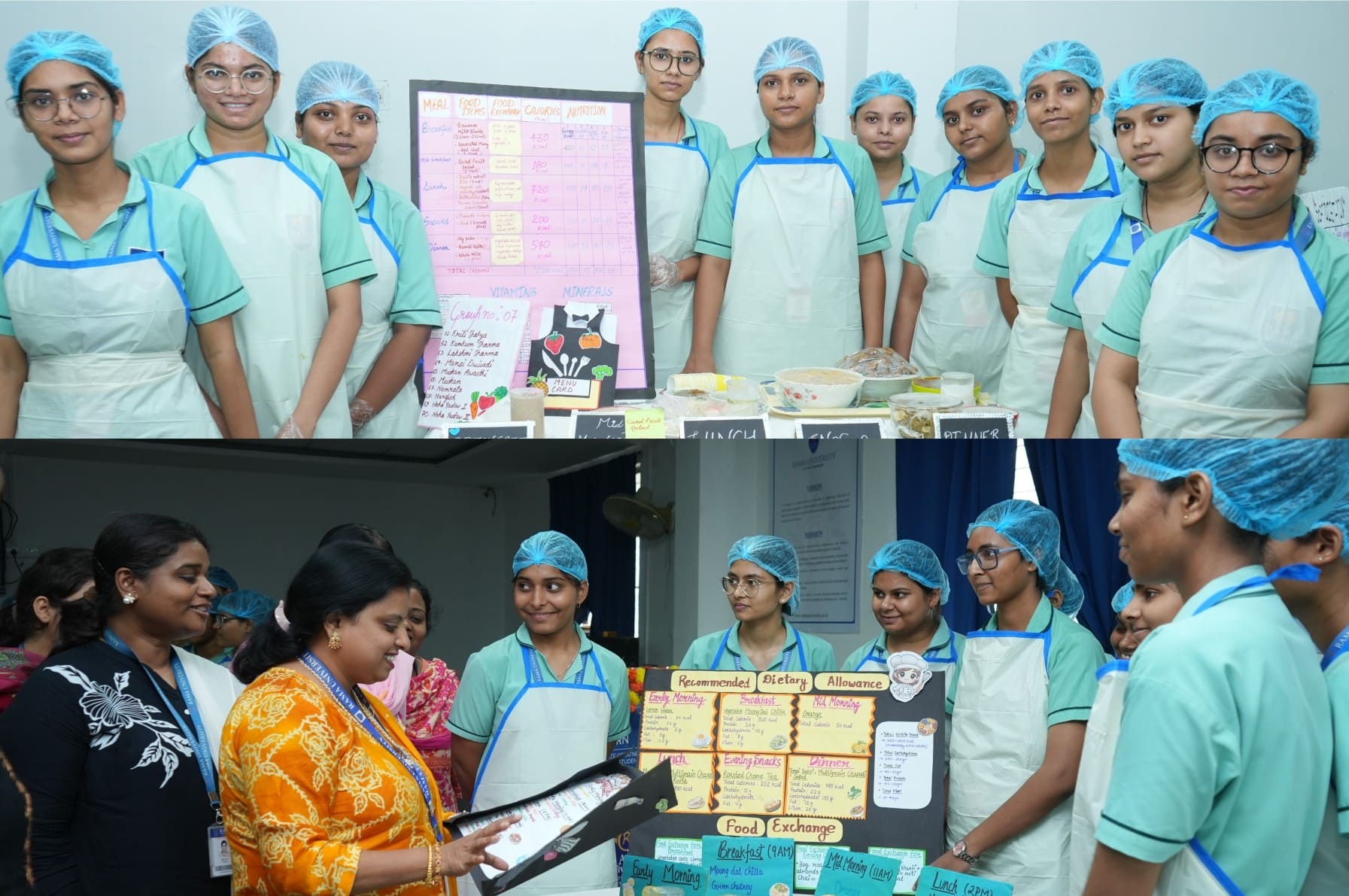
Throughout the two-day programme, students displayed their prepared diets attractively and presented detailed explanations regarding nutritional composition, therapeutic indications, dietary modifications, RDA requirements, Food Exchange System, and low-cost meal preparation methods. The exhibits reflected innovation, scientific accuracy, teamwork, and effective application of nutritional concepts. Faculty members interacted with students and encouraged them to explain the clinical significance of the diets and their role in promoting health, disease management, recovery, and patient well-being.
The exhibits and presentations were evaluated by: Prof. Dr. Jasmi Johnson, Principal, Faculty of Nursing, Dr. Minu S. R., Vice Principal, Faculty of Nursing. The evaluation was further supported by all Heads of Departments and faculty members of the Faculty of Nursing. The evaluators appreciated the students for their excellent preparation, nutritional knowledge, scientific approach, creativity, teamwork, communication skills, presentation techniques, and innovative low-cost food preparations. Constructive feedback and valuable suggestions were provided to further strengthen students’ competencies in therapeutic nutrition and dietary management.
Students actively participated in menu planning, calculation of nutritional requirements, food preparation, exhibit design, dietary demonstrations, and presentations. The programme encouraged collaborative learning, critical thinking, problem-solving, and practical application of nutritional principles. Students demonstrated enthusiasm and professionalism throughout the activity.
The Applied Nutrition and Dietetics Practical – 2026 was conducted successfully over two days with enthusiastic participation from II Semester B.Sc. Nursing students and the dedicated support of faculty members. The programme provided valuable hands-on learning experiences in balanced and therapeutic diet planning, meal preparation, nutritional assessment, dietary modification, and health education. The activity significantly enhanced students’ understanding of nutrition in health promotion and disease management while strengthening their professional competencies, communication skills, critical thinking abilities, and confidence in providing evidence-based nutritional care. The event concluded on a positive note with appreciation for the efforts of all participants and a reaffirmation of the vital role of nutrition as an integral component of quality nursing practice and patient care.