News
Nursing Faculty Organizes Expert Lecture on Early Diagnosis and Intervention for Neurodiverse Children
16 Oct 2026
Event: One day expert lecture
Theme: “unlocking potential: the role of early diagnosis and intervention in neuro-diverse children.’’
Date: 15.10.2026
Time: 10:30 am – 01:00 Pm
Mode: offline
Venue: Seminar Hall, Faculty of Nursing, Rama University, Kanpur.
Organised by: Department of Child Health Nursing, Rama College of Nursing, Rama University, Kanpur, Uttar Pradesh
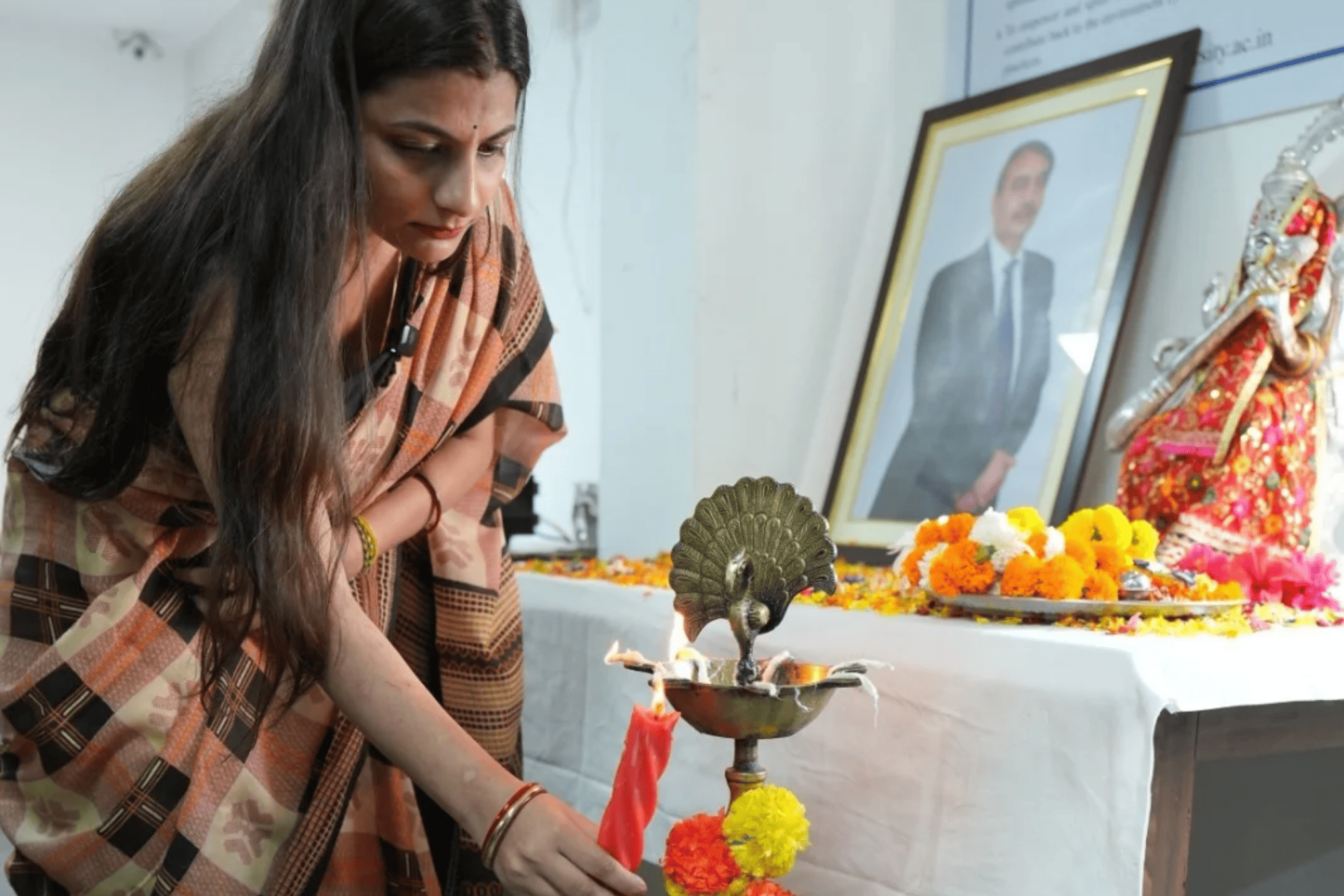
The Department of Child Health Nursing, Faculty of Nursing, Rama University, Kanpur, organized a one-day expert lecture on 15 October 2026 on the theme “Unlocking Potential: The Role of Early Diagnosis and Intervention in Neuro-diverse Children.” The programme aimed to raise awareness about neuro-diversity and highlight the importance of early identification, timely intervention, and inclusive support for children with diverse developmental needs.
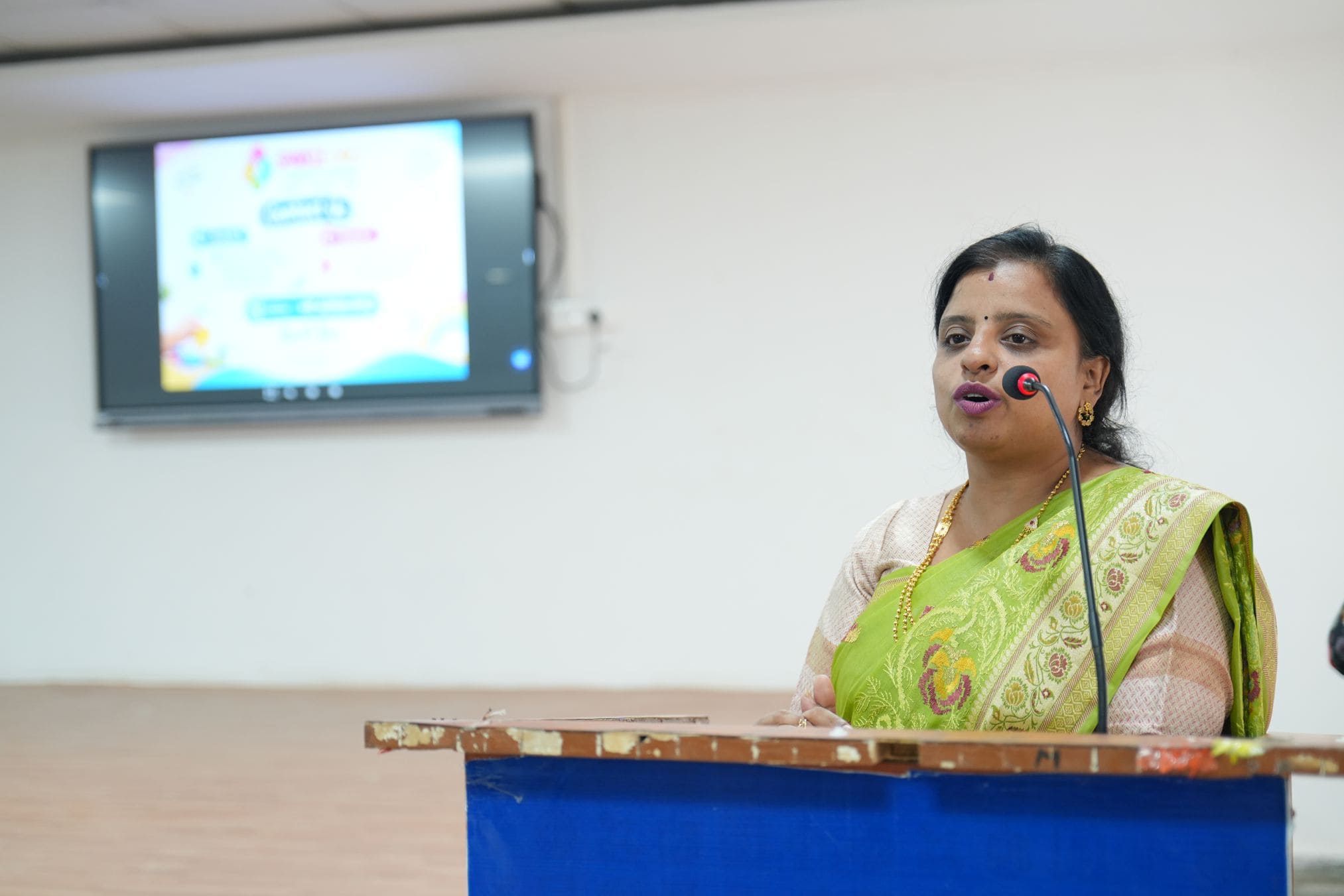
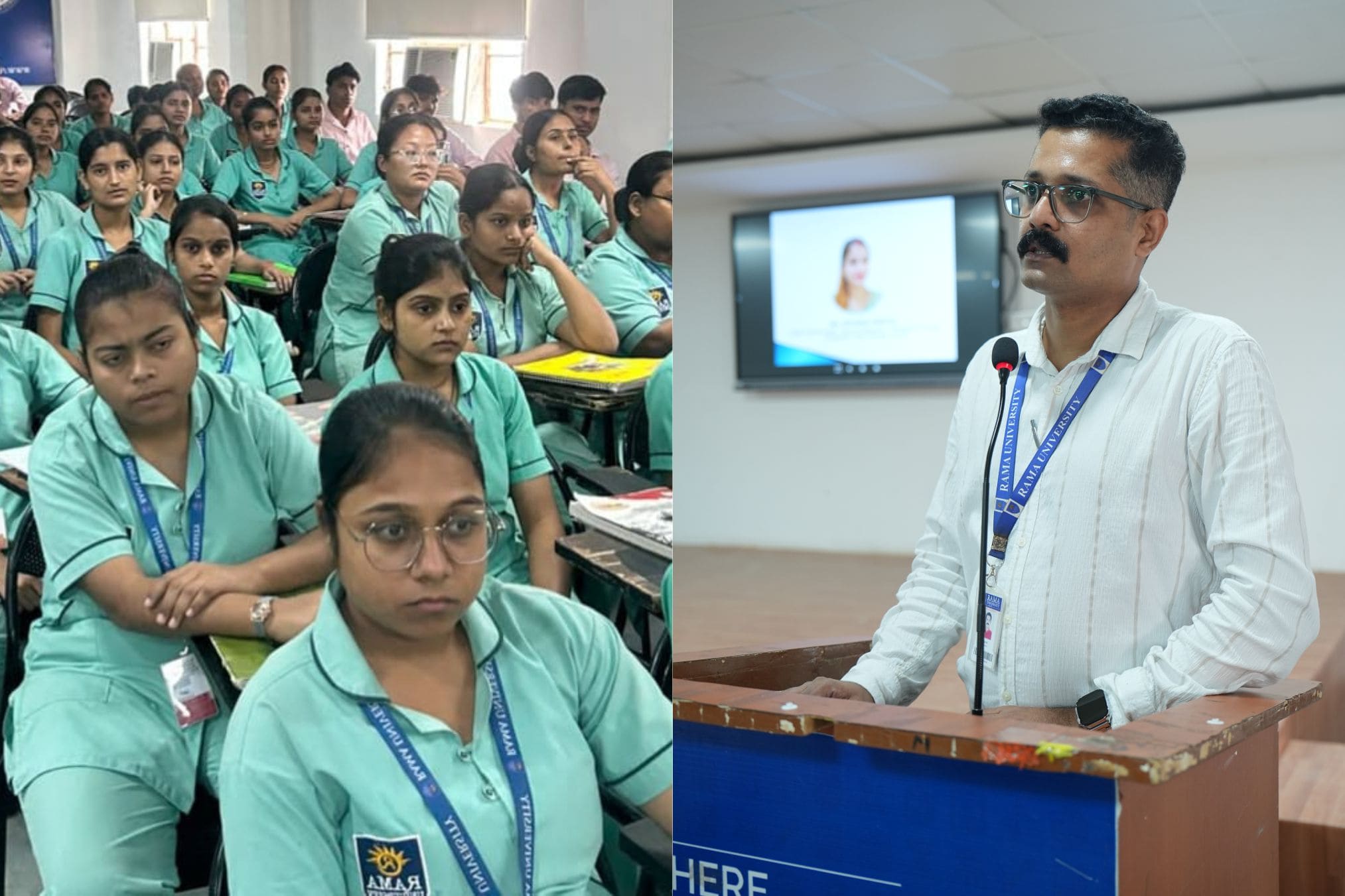
The programme was skilfully moderated by Prof. Vipin A., Head of the Department of Child Health Nursing. Prof. Dr. Jasmi Johnson, Principal, Faculty of Nursing, served as the convener, while Ms. Madhuri Kumari acted as the Master of Ceremonies. The session commenced with a welcome address by Prof. Vipin A., who emphasized the significance of understanding neuro-diversity in child health nursing. This was followed by the inaugural remarks of Prof. Dr. Jasmi Johnson, who highlighted the need to strengthen awareness and knowledge of neuro-diversity among nursing students and professionals. The programme focused on promoting awareness of early screening and diagnosis, discussing evidence-based intervention strategies, and emphasizing the multidisciplinary roles of nurses, paediatricians, psychologists, therapists, special educators, and families in supporting neuro-diverse children.
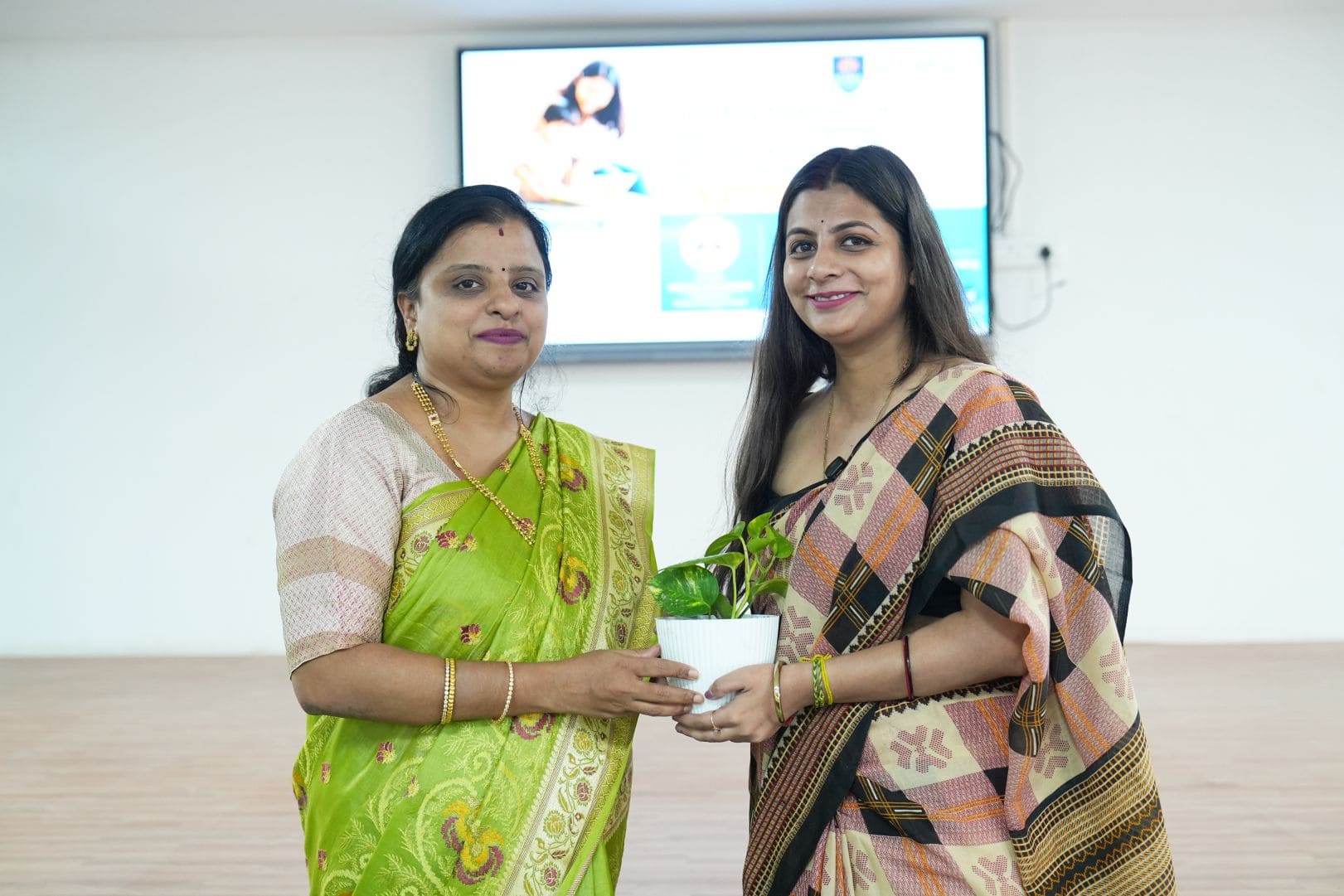
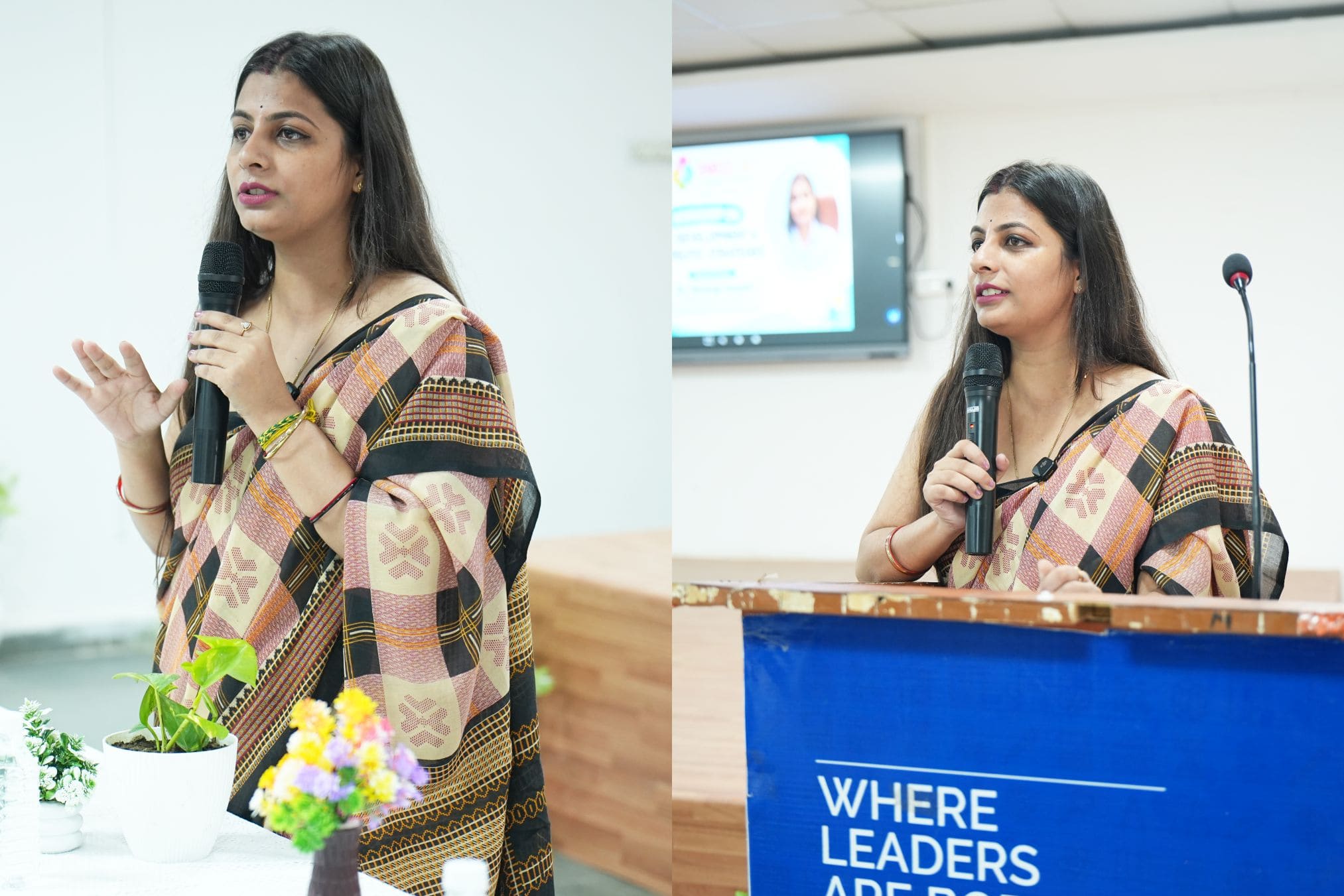
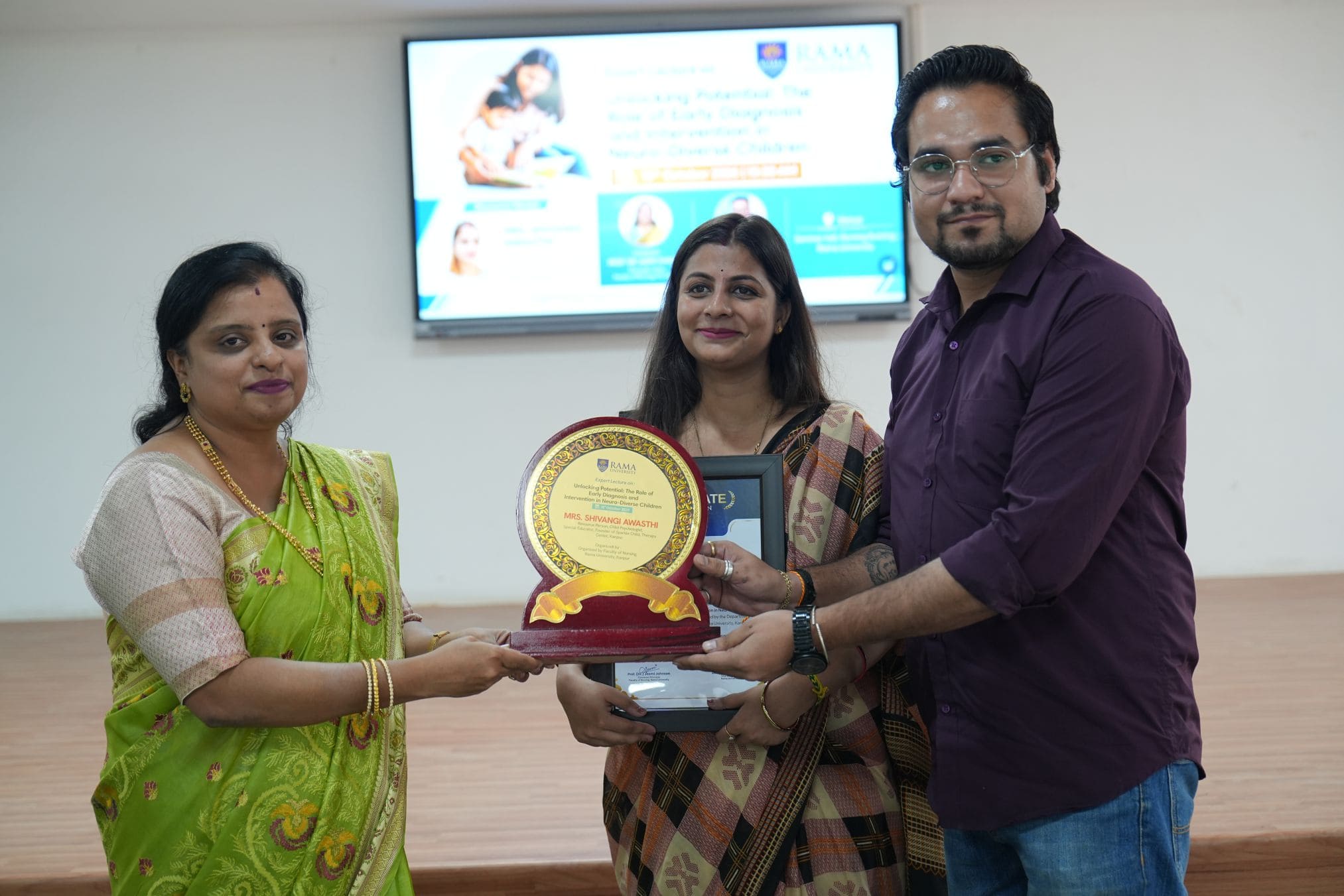
The expert lecture was delivered by Mrs. Shivangi Awasthi, Child Psychologist, Special Educator, and Founder of Sparkle Child Therapy Center, Kanpur. With over 12 years of professional experience in child development, psychology, special education, and therapeutic support, she shared valuable insights into the developmental needs of neuro-diverse children.
Her session highlighted the importance of recognizing early developmental indicators, seeking timely professional assessment, and implementing individualized intervention strategies. She also discussed parenting guidance, sensory-focused interventions, behavioural support, ABA-informed practices, and inclusive education. The lecture emphasized that early identification, family involvement, and coordinated multidisciplinary support can help children develop their abilities and participate more meaningfully in everyday life.
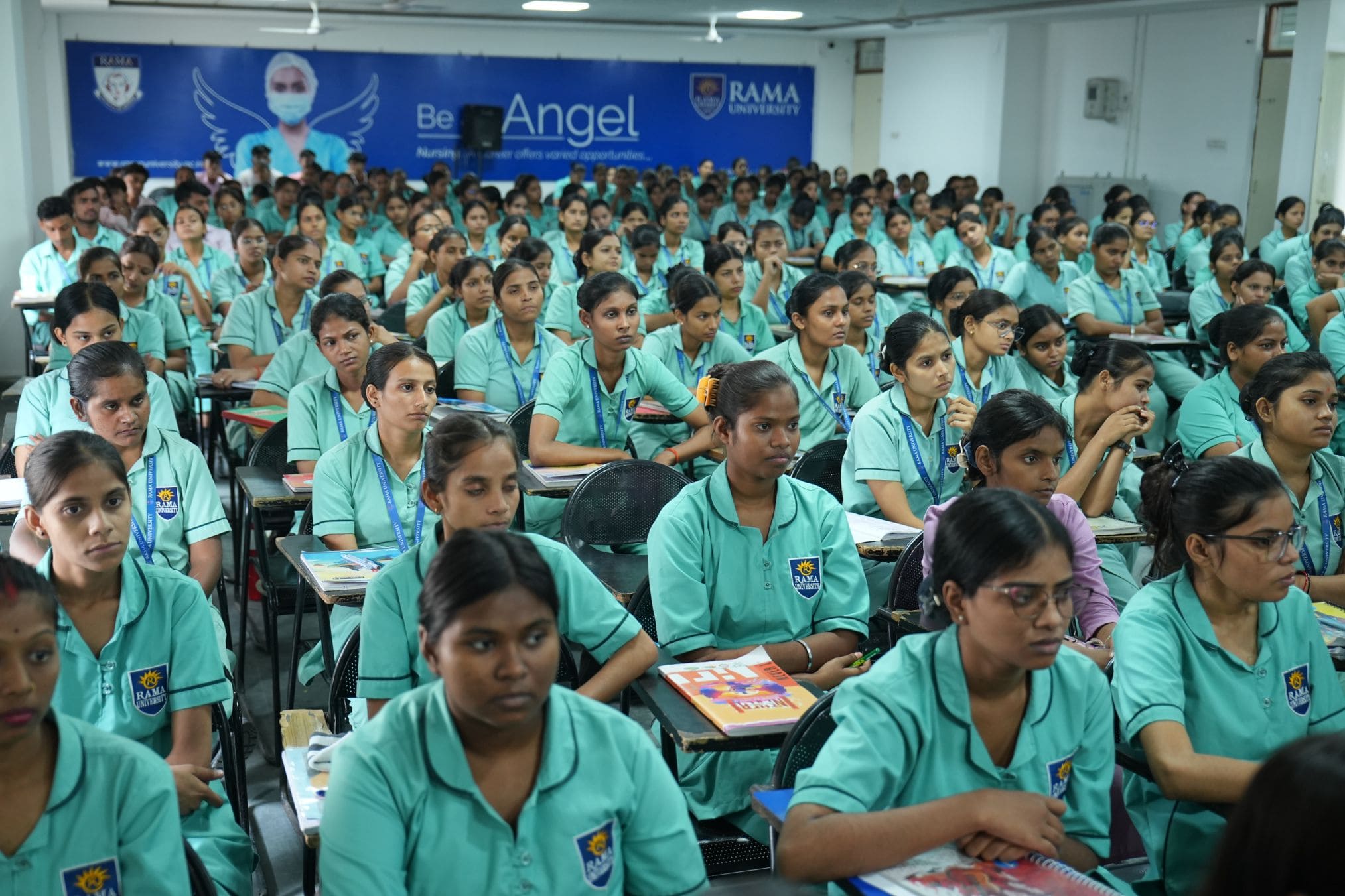
The programme witnessed enthusiastic participation from 225 nursing students from M.Sc. Nursing I and II Year, P.B.B.Sc. Nursing I Year, B.Sc. Nursing fifth semester, GNM second year, and ANM first year. An interactive question-and-answer session provided participants with an opportunity to clarify their doubts and engage directly with the expert. The discussion enhanced their understanding of early developmental screening, individualized care, therapeutic interventions, and the role of healthcare professionals in promoting the well-being of neuro-diverse children.
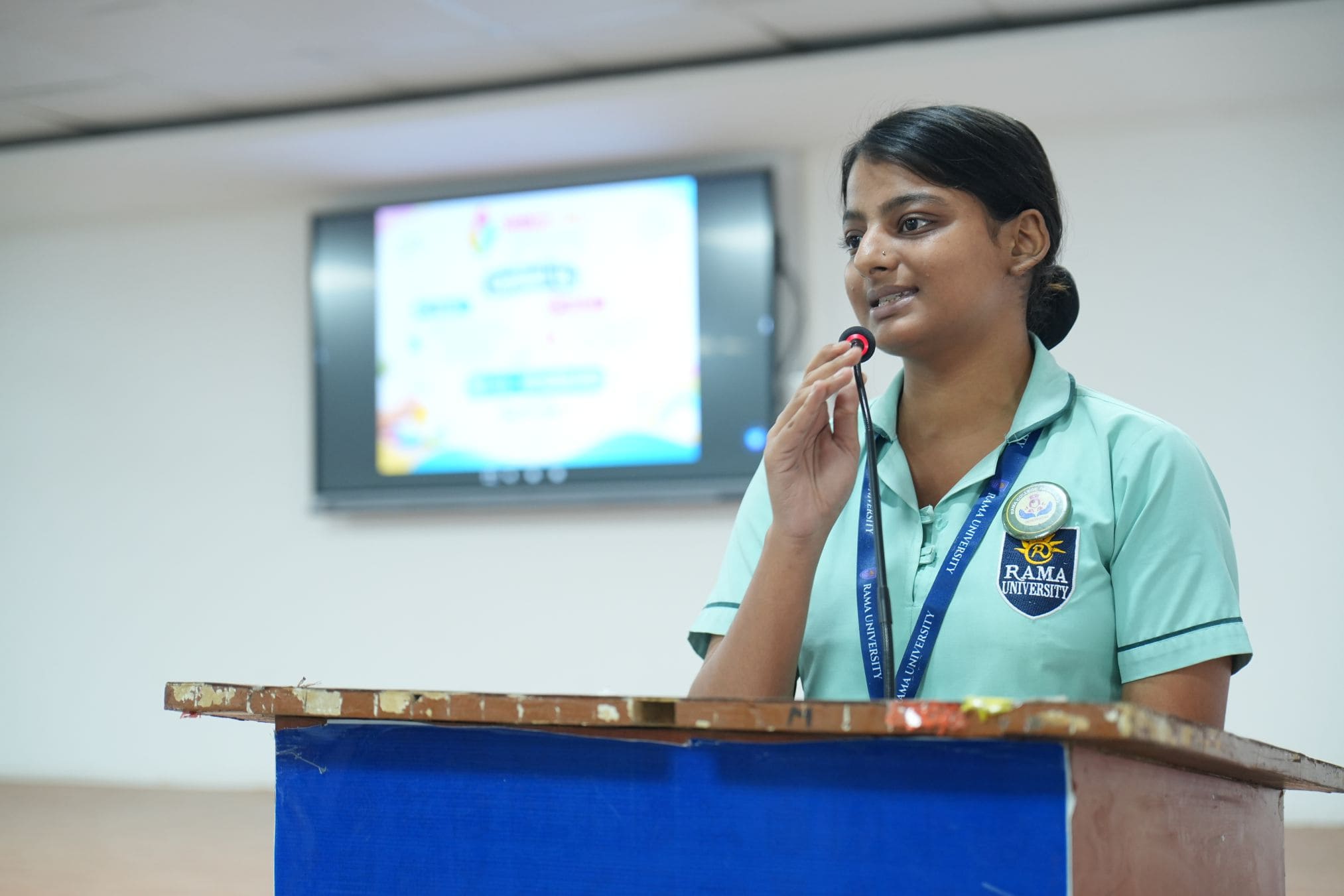
The programme concluded with a vote of thanks delivered by Mrs. Veena Sharma, Asst. Professor, who expressed her sincere gratitude to the dignitaries, invited expert, organizing committee, faculty members, students, and supporting staff for their valuable contributions. She particularly acknowledged the collaborative efforts of the Department of Child Health Nursing in ensuring the smooth and successful conduct of the programme.
The one-day expert lecture served as a valuable platform for knowledge sharing and professional enrichment in the field of child health nursing. It reinforced the importance of early diagnosis, timely intervention, family-centred support, and inclusive educational practices for neurodiverse children. The programme inspired participants to strengthen their understanding of neurodiversity and contribute towards creating a more supportive, inclusive, and empowering environment for every child.