News
Nursing Led Community Outreach For Leprosy Awareness Care And Stigma Reduction
02 Feb 2026
Event: Extension outreach programme
Event activity: Role play, Health Education
Theme: Leprosy is Curable, the real challenge is stigma
Mode: Offline
Date: 30.1.2026
Time: 10.00am onwards
Venue: Bhavanipur, Kanpur
Organized by: Department of Community Health Nursing, Faculty of Nursing, Rama University.
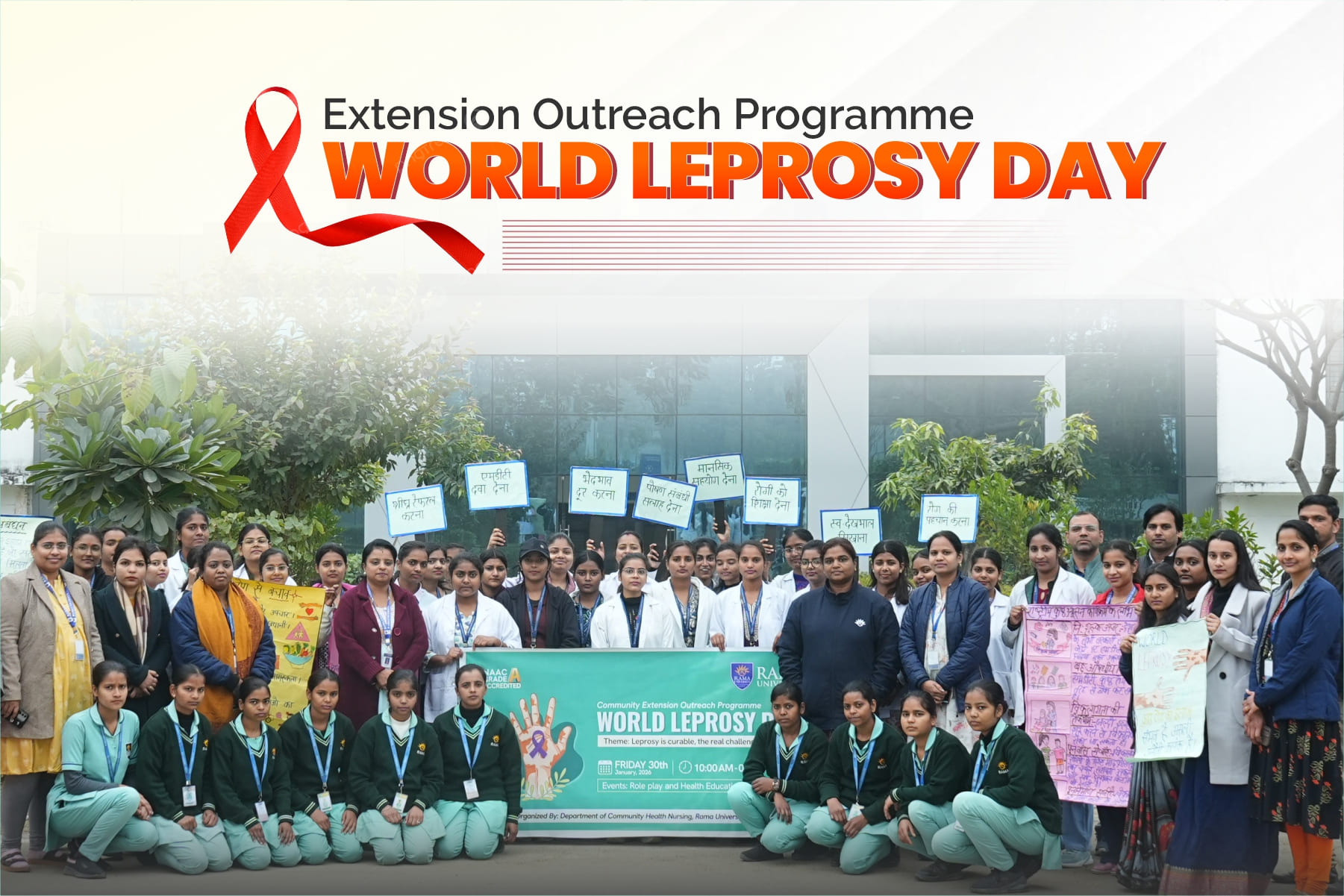
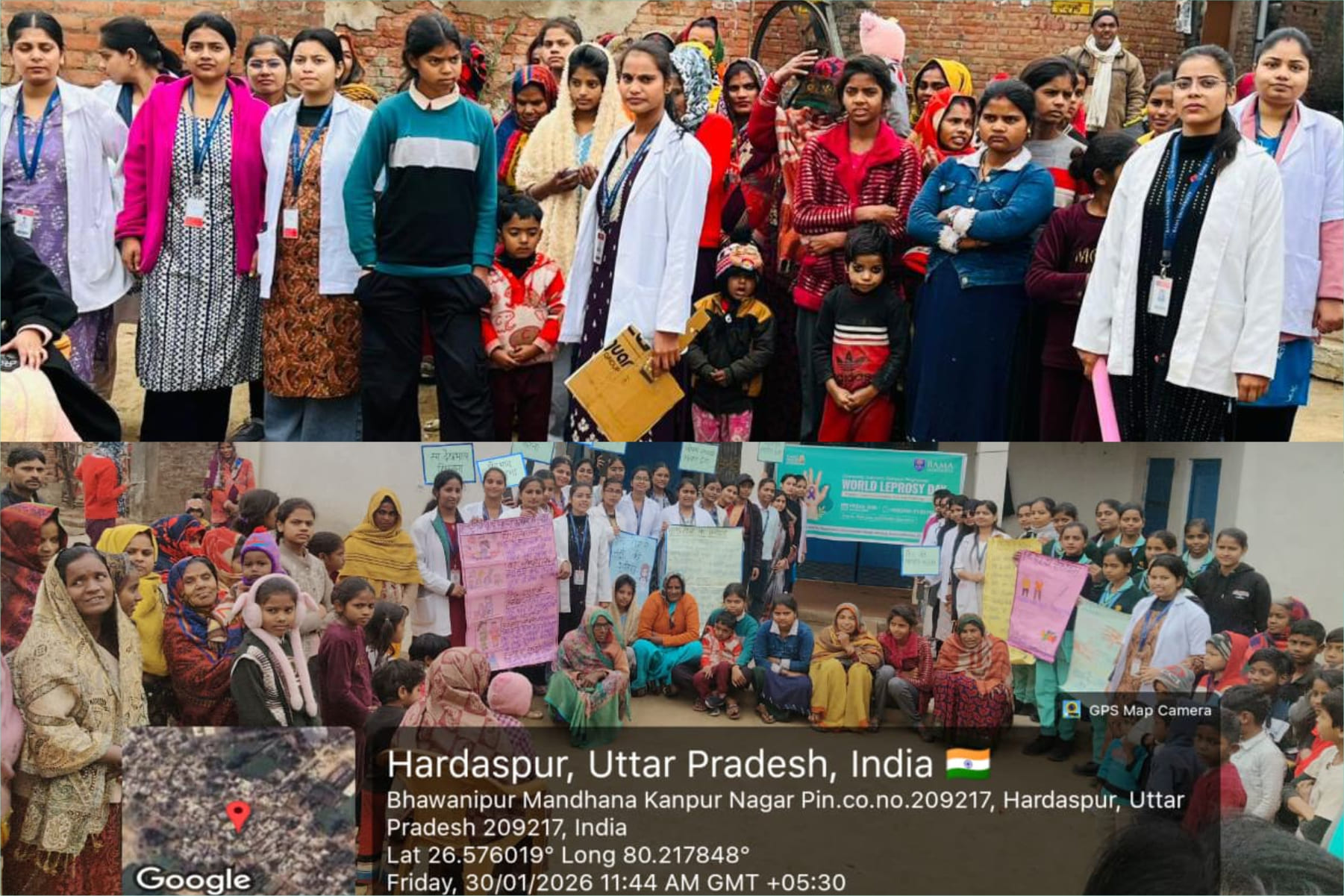
World Leprosy Day is observed globally every year to raise awareness about leprosy, promote early detection, reduce stigma and discrimination, and reaffirm the commitment to eliminating leprosy as a public health concern. World Leprosy Day 2026 was observed with the theme “Leprosy is Curable, the real challenge is stigma”, emphasizing the need for community awareness, timely diagnosis, appropriate treatment, and social inclusion of persons affected by leprosy. In alignment with this global mission, the Faculty of Nursing, Rama University organized an Extension Outreach Programme to educate the rural community and strengthen public awareness regarding leprosy.
As part of this initiative, an extension outreach programme was conducted at Bhavanipur Village, Kanpur, with the objective of spreading awareness about the prevention, early diagnosis, and treatment of leprosy. The programme commenced with an inaugural session at the Faculty of Nursing. The inauguration was graciously conducted by Dr. Jasmi Johnson, Dean-cum-Principal, in the presence of Dr. Minu S.R., Vice Principal, along with all Heads of the Departments and faculty members. The dignitaries highlighted the importance of community outreach activities and encouraged students to actively participate in health promotion and disease prevention programmes.
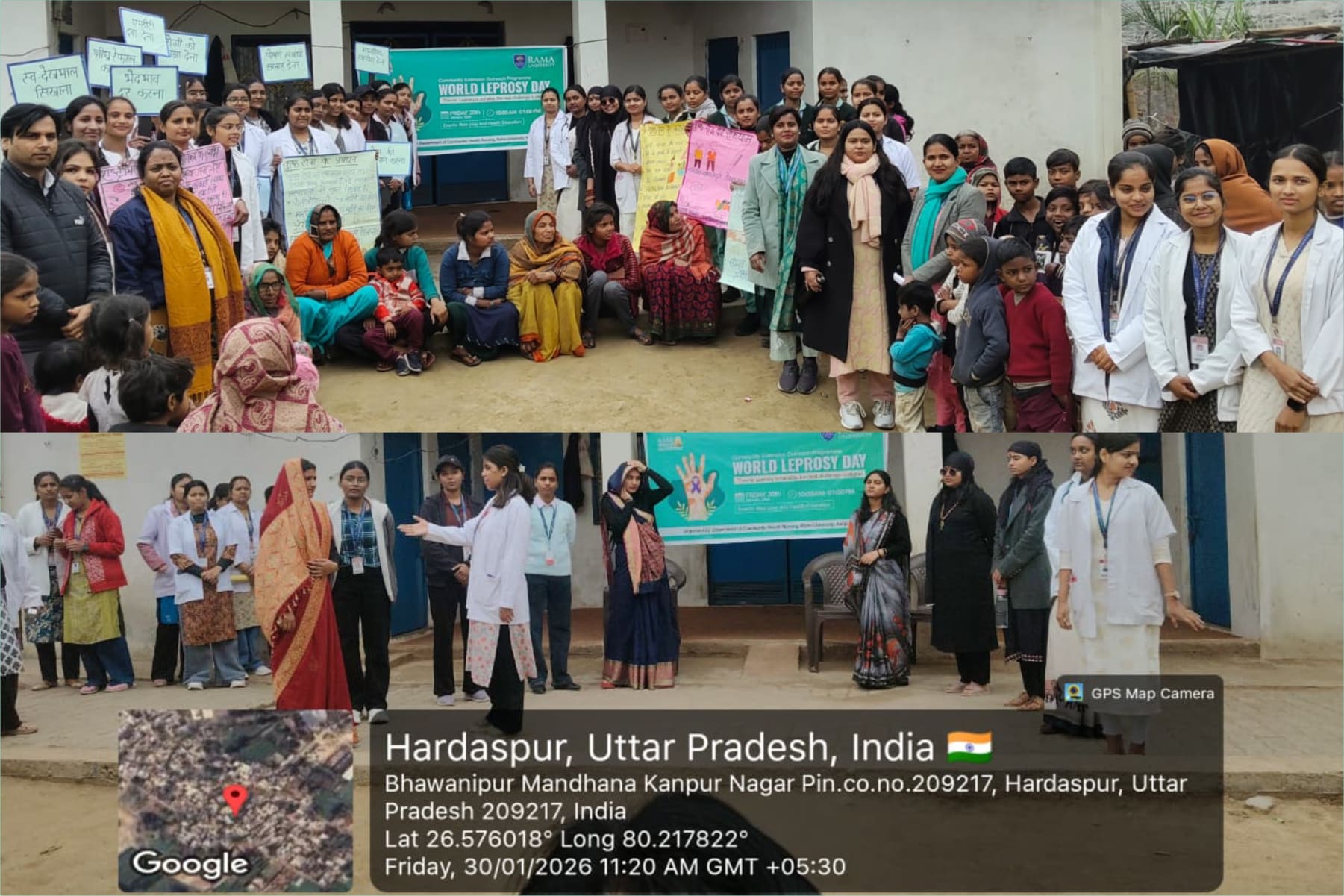
Following the inauguration, all faculty members and students proceeded to Bhavanipur Village after obtaining prior permission from the Gram Pradhan, ensuring community cooperation and participation. Upon reaching the village, the students mobilized the villagers and gathered them at a common place for the programme. The outreach activity was carried out with great enthusiasm and active involvement from both students and faculty members.
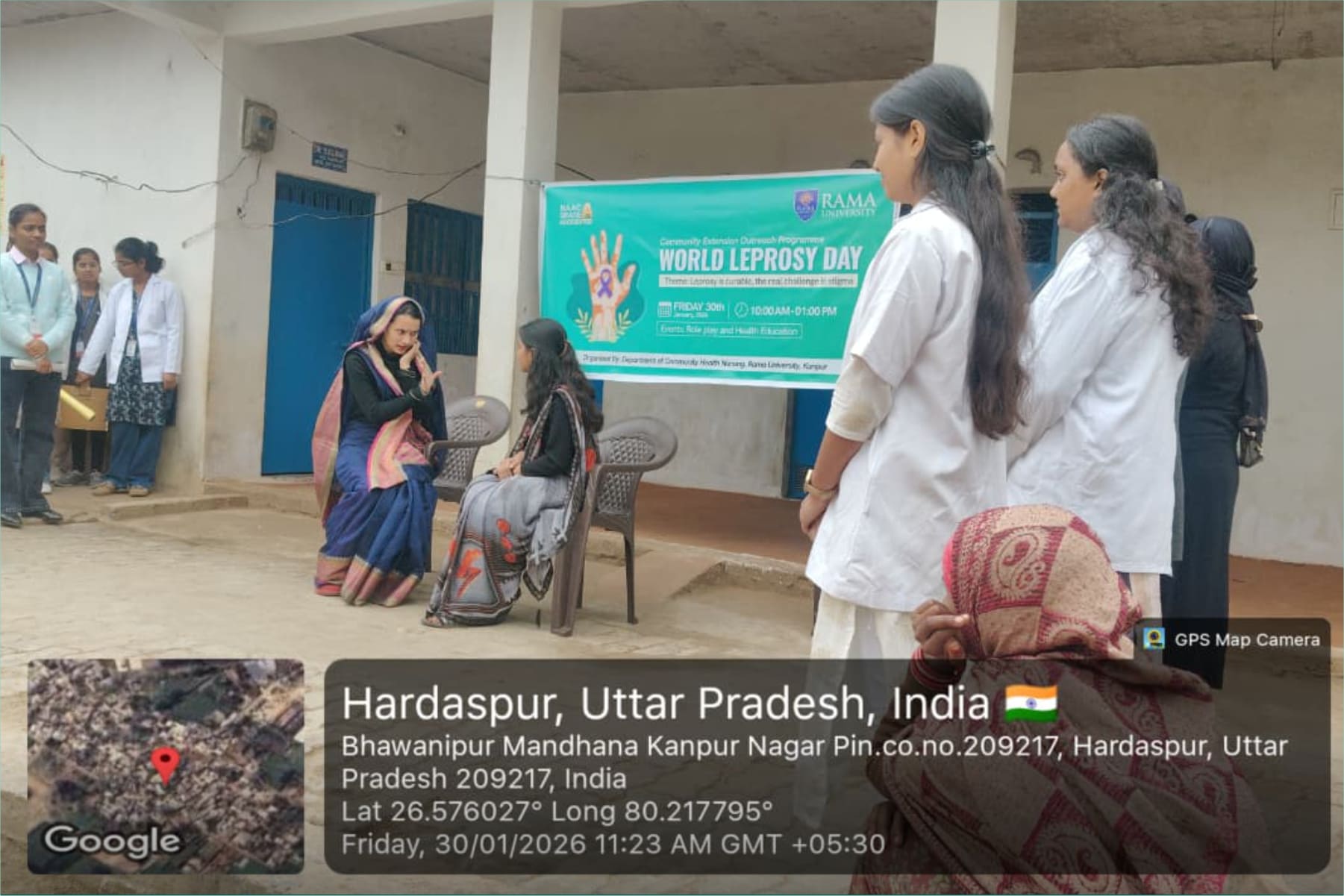
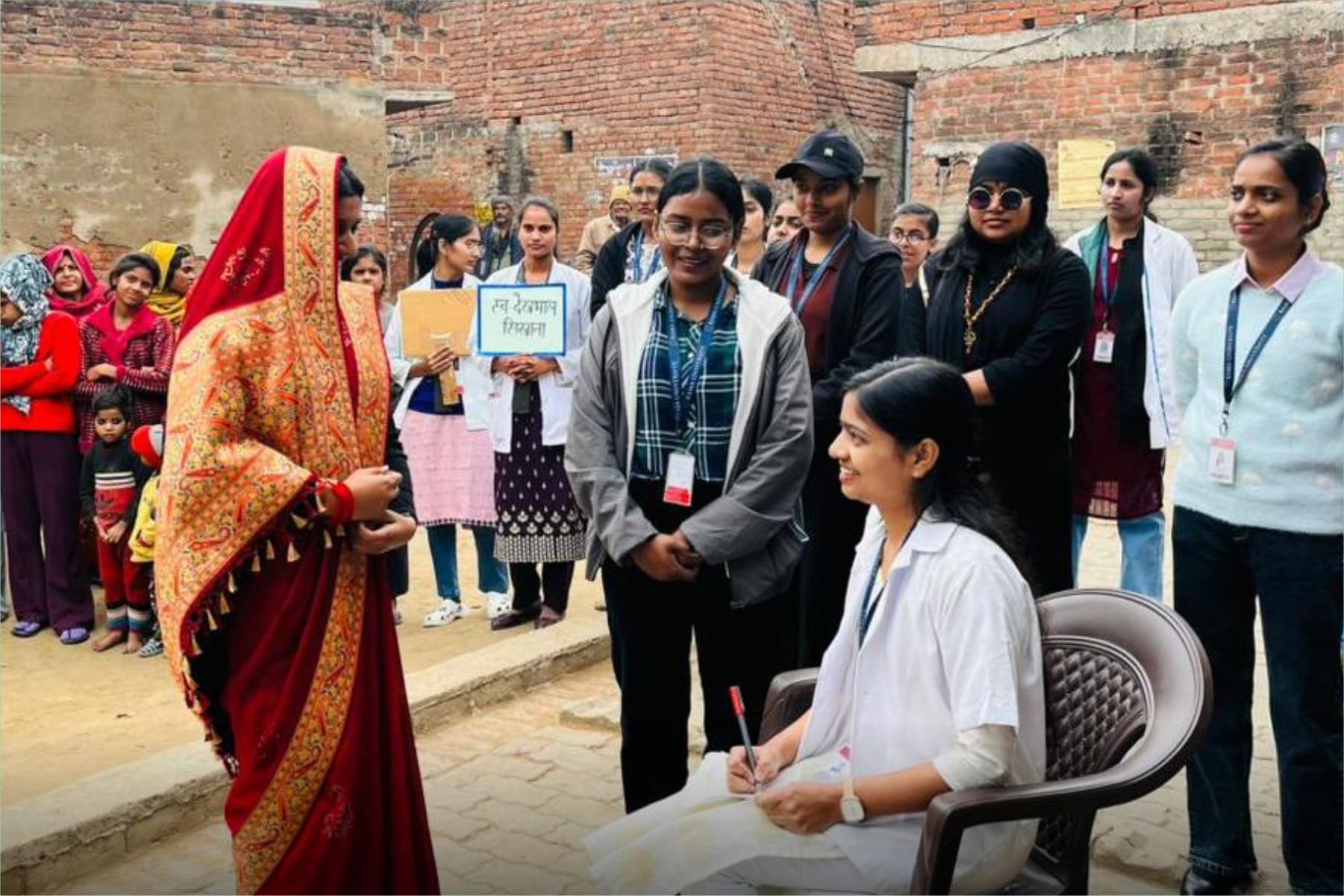
The students of Semester VII B.Sc. Nursing and ANM 2nd Year played a key role in the programme by performing an informative and engaging role play. The role play focused on important aspects of leprosy, including its causes, modes of transmission, early signs and symptoms, preventive measures, and availability of effective treatment. Special emphasis was laid on the importance of early diagnosis, regular treatment, and the message that leprosy is a curable disease when treated timely. The role play effectively conveyed health messages in a simple and understandable manner to the villagers.
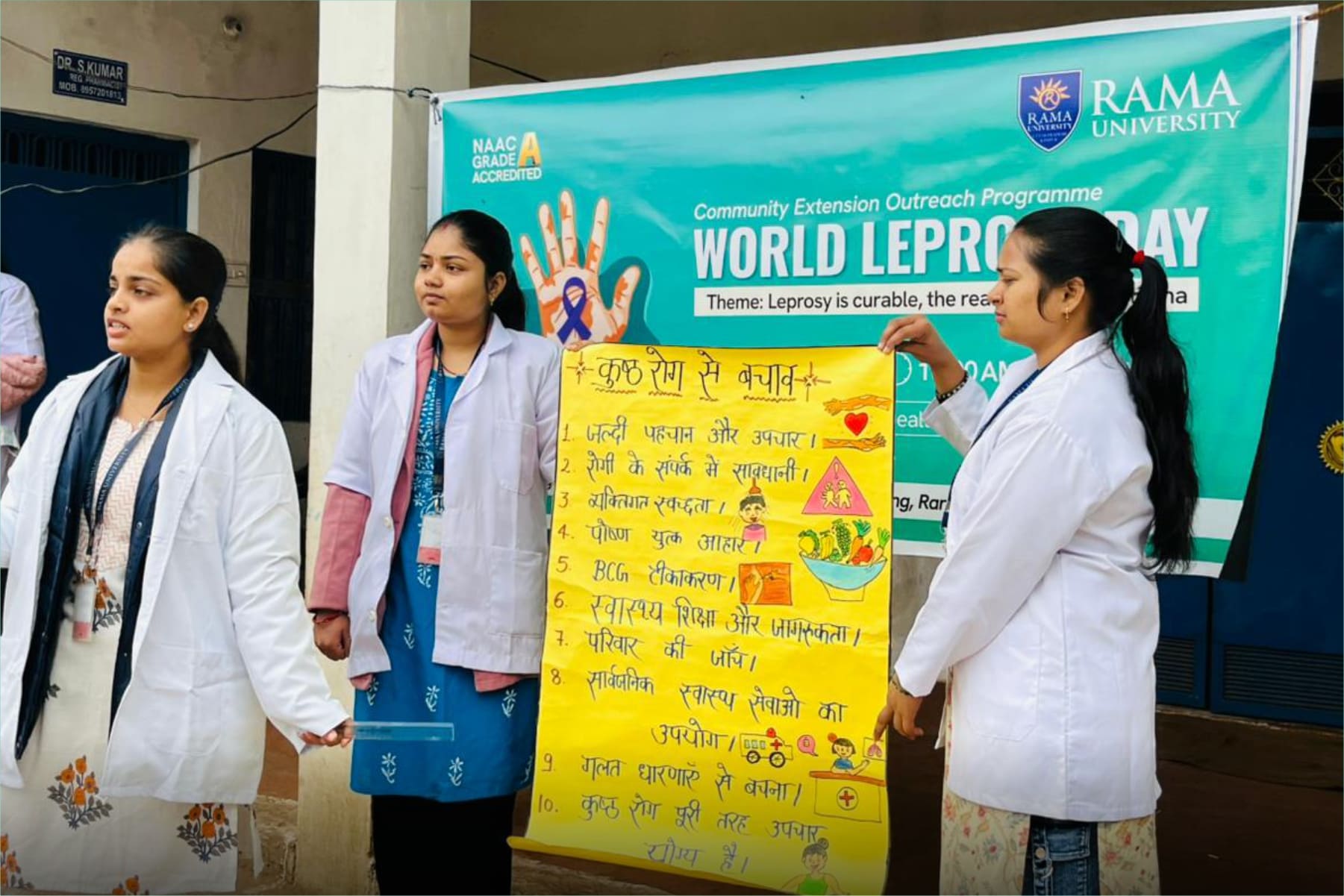
In addition to the role play, health education sessions were conducted by the students under the guidance of faculty members. The sessions addressed myths and misconceptions related to leprosy, encouraged individuals to seek early medical care, and emphasized the role of community support in reducing stigma and discrimination. Educational interaction with the villagers helped improve awareness and fostered a positive attitude toward individuals affected by leprosy.
At the conclusion of the programme, feedback was collected from the villagers, which reflected a positive response and appreciation for the efforts taken by the Faculty of Nursing. The Gram Pradhan and villagers expressed their gratitude and appreciation to the students and faculty members for organizing such a meaningful and beneficial outreach programme. They acknowledged that the programme helped enhance their understanding of leprosy and its management.
The programme concluded with words of encouragement and appreciation from Dr. Jasmi Johnson, Dean-cum-Principal, who commended the students for their active participation, teamwork, and dedication toward community service. She appreciated the faculty members for their guidance and support in successfully organizing the programme. The extension outreach programme on World Leprosy Day 2026 was thus successfully conducted and proved to be an effective step toward community awareness, health promotion, and social responsibility.