News
Successful Organization of Ocular Prosthetic Eye Workshop Enhancing Student Knowledge and Clinical Skills Practical Advanced
23 Apr 2026
Topic: Ocular Prosthetic Eye Workshop
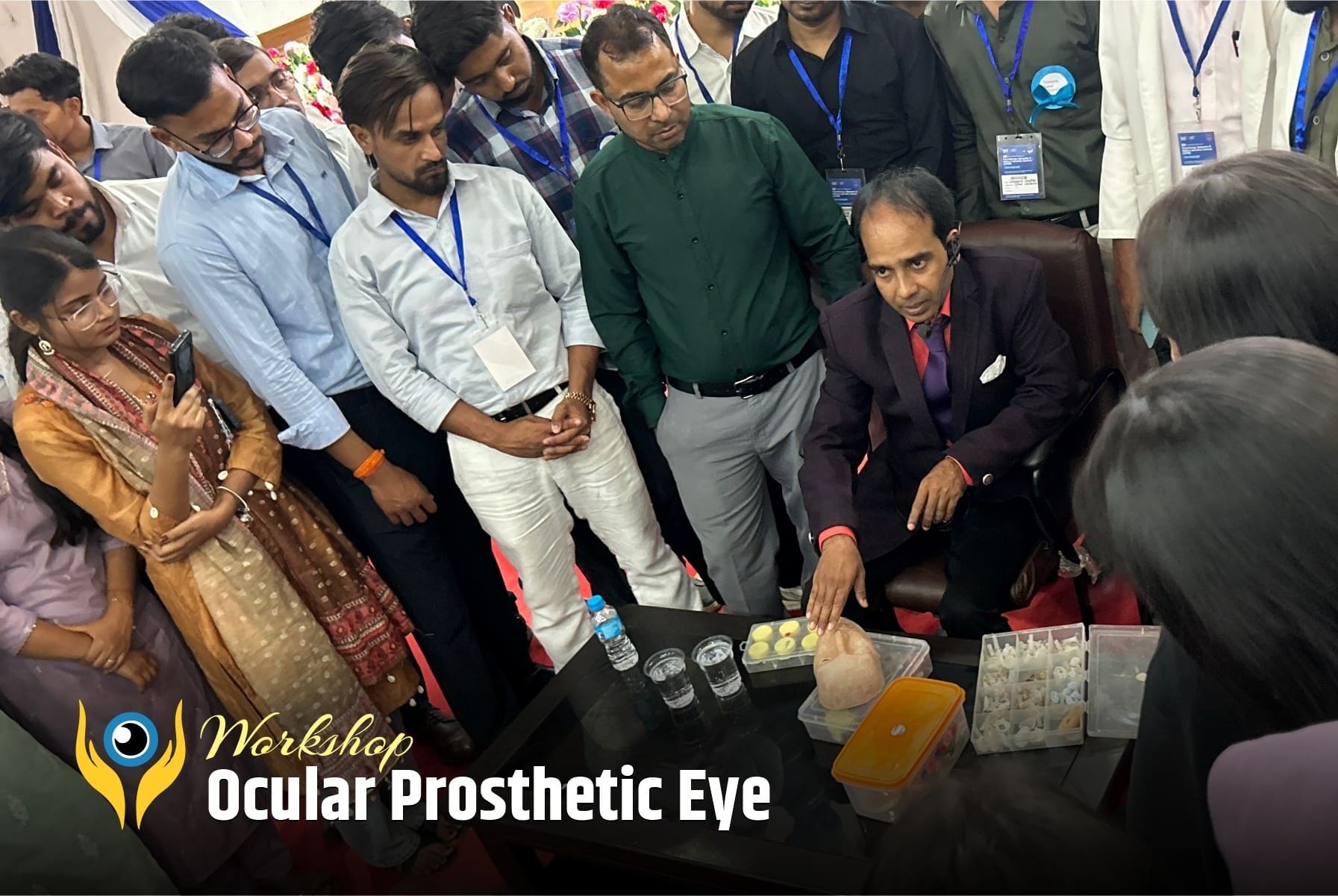
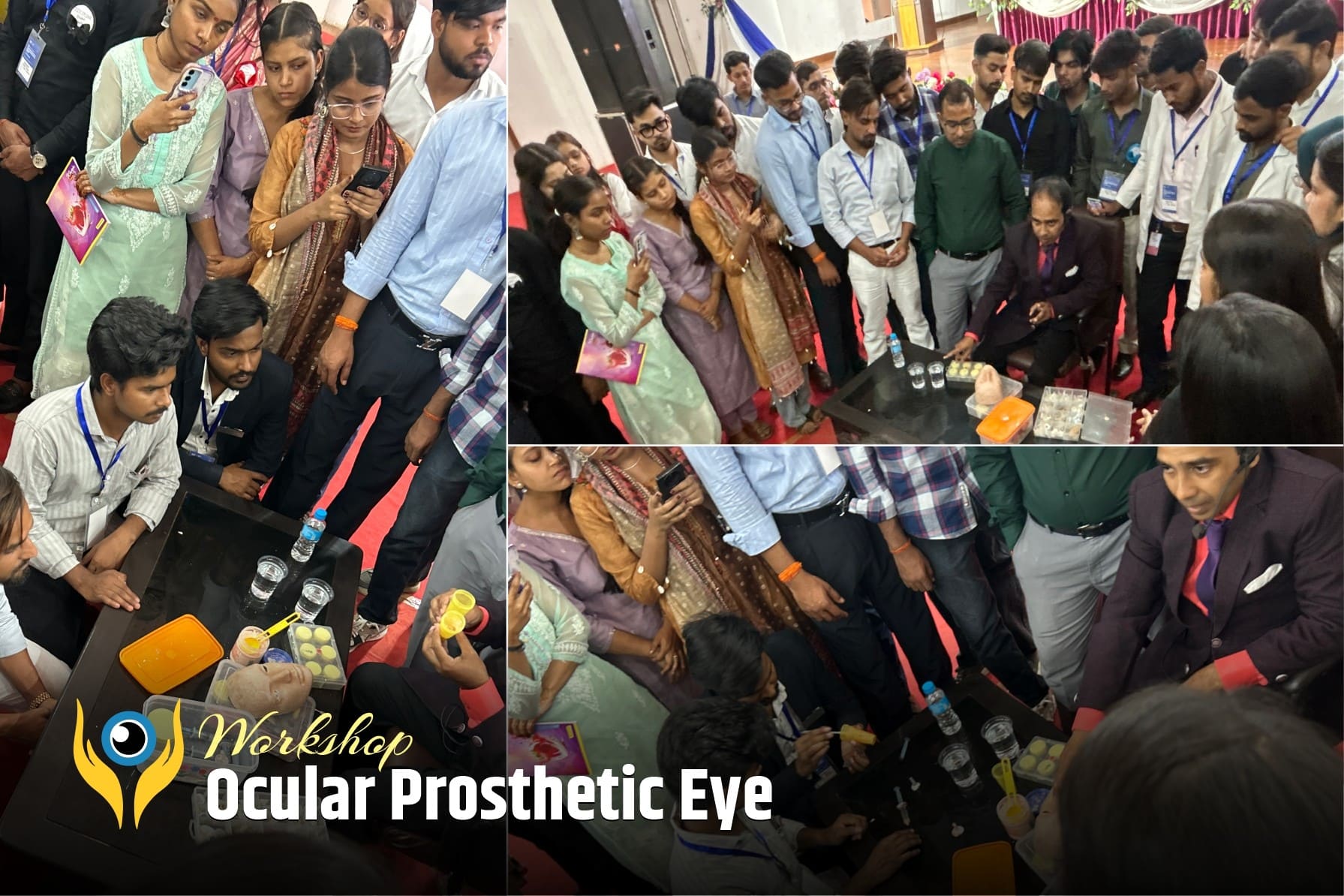
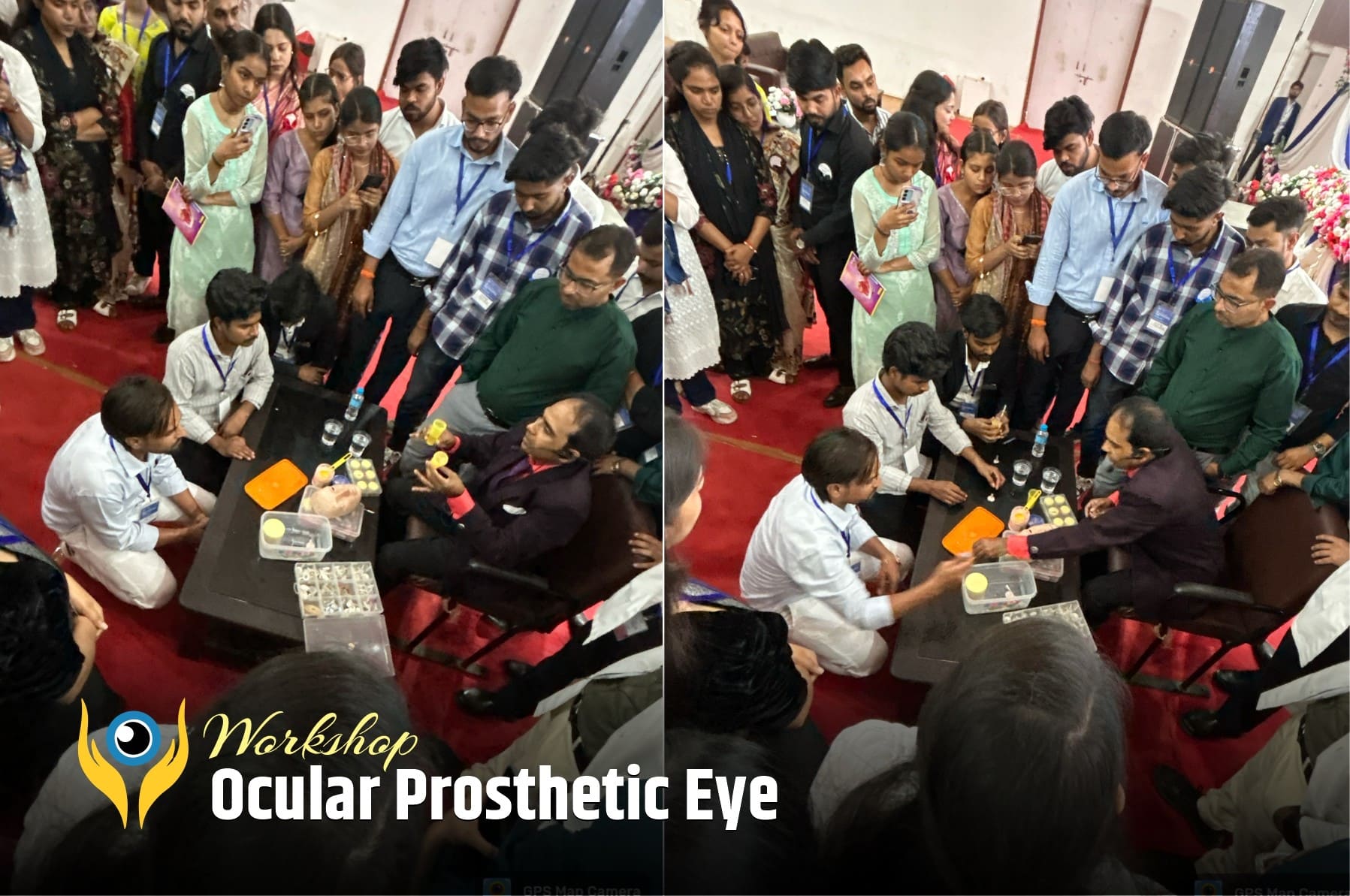
The Faculty of Allied and Healthcare Science, Rama University, successfully organized a workshop on the topic Ocular Prosthetic Eye in the Auditorium on 17th April 2026 from 2:00 PM to 4:00 PM. The main objective of the workshop was to provide students with knowledge regarding ocular prosthesis, patient rehabilitation, and modern techniques used in artificial eye fabrication.
Inauguration of the Program
The program began with a warm welcome of all dignitaries, faculty members, and students. The event was honored by the gracious presence of Principal Dr. Brijendra Nigam, whose encouragement inspired all participants. The organizing committee introduced the importance of the workshop and highlighted the growing need for specialized healthcare education.
Presence of Faculty Members
The workshop was also attended by respected faculty members:
- Mr. Satendra Singh Sachan
- Mrs. Meghna Verma
- Dr. Nidhi Agarwal
- Dr. Apoorva
Their guidance and support contributed to the successful organization of theprogram.
Introduction of Speaker
The keynote speaker of the workshop was Dr. Subrato Roy, an experienced expert in the field of ocular prosthetics. He was warmly welcomed by the organizers and introduced to the audience with appreciation for his professional achievements and expertise.
Main Topic Explanation: Ocular Prosthetic Eye
Dr. Subrato Roy explained that an ocular prosthetic eye is an artificial eye used
for patients who have lost one eye due to trauma, disease, infection, cancer, or
congenital defects. It helps restore facial symmetry and improves the confidence of
patients. He clarified that although the prosthetic eye cannot restore eyesight, it plays an
important role in cosmetic appearance and psychological recovery.
Types of Ocular Prosthesis
The speaker discussed the main types of ocular prosthesis:
- Stock Prosthetic Eye – Pre-manufactured artificial eyes available in common sizes.
- Custom-Made Prosthetic Eye – Individually designed according to the patient’s socket shape, size, and eye color for a natural look and better comfort. He emphasized that custom-made prostheses provide superior results.
Procedure of Fabrication
Students were informed about the complete step-by-step procedure:
- Clinical examination of eye socket
- Impression making
- Wax pattern trial
- Iris and sclera shade matching
- Acrylic molding and curing
- Finishing and Polishing
- Final fitting and patient instruction
This explanation helped students understand the practical aspects of prosthetic eye preparation.
Care and Maintenance
The speaker explained the importance of regular care:
- Clean prosthetic eye regularly
- Maintain proper hygiene
- Avoid rough handling
- Visit specialist for polishing and check-up
- Seek medical advice in case of discomfort
Benefits of Ocular Prosthesis
- Improves facial appearance
- Restores self-confidence
- Supports emotional well-being
- Enhances social comfort
- Helps in rehabilitation after eye loss
Interactive Session
The workshop included an engaging question-answer session where students raised queries related to fitting procedures, materials, patient counseling, maintenance, and future opportunities in the field. Dr. Roy answered all questions in detail.
Vote of Thanks
The program concluded with a vote of thanks to Principal Dr. Brijendra Nigam,honorable guests, faculty members, speaker Dr. Subrato Roy, and all students for their participation and support.
Conclusion
The Ocular Prosthetic Eye Workshop was highly educational and successful. It provided students with valuable theoretical and practical knowledge about ocular prosthesis and patient rehabilitation. The expert lecture, presence of dignitaries, and active participation of students made the event memorable and beneficial for
Topic: Ocular Prosthetic Eye Workshop
The Faculty of Allied and Healthcare Science, Rama University, successfully organized a workshop on the topic Ocular Prosthetic Eye in the Auditorium on 17th April 2026 from 2:00 PM to 4:00 PM. The main objective of the workshop was to provide students with knowledge regarding ocular prosthesis, patient rehabilitation, and modern techniques used in artificial eye fabrication.
Inauguration of the Program
The program began with a warm welcome of all dignitaries, faculty members, and students. The event was honored by the gracious presence of Principal Dr. Brijendra Nigam, whose encouragement inspired all participants. The organizing committee introduced the importance of the workshop and highlighted the growing need for specialized healthcare education.
Presence of Faculty Members
The workshop was also attended by respected faculty members:
- Mr. Satendra Singh Sachan
- Mrs. Meghna Verma
- Dr. Nidhi Agarwal
- Dr. Apoorva
Their guidance and support contributed to the successful organization of theprogram.
Introduction of Speaker
The keynote speaker of the workshop was Dr. Subrato Roy, an experienced expert in the field of ocular prosthetics. He was warmly welcomed by the organizers and introduced to the audience with appreciation for his professional achievements and expertise.
Main Topic Explanation: Ocular Prosthetic Eye
Dr. Subrato Roy explained that an ocular prosthetic eye is an artificial eye used
for patients who have lost one eye due to trauma, disease, infection, cancer, or
congenital defects. It helps restore facial symmetry and improves the confidence of
patients. He clarified that although the prosthetic eye cannot restore eyesight, it plays an
important role in cosmetic appearance and psychological recovery.
Types of Ocular Prosthesis
The speaker discussed the main types of ocular prosthesis:
- Stock Prosthetic Eye – Pre-manufactured artificial eyes available in common sizes.
- Custom-Made Prosthetic Eye – Individually designed according to the patient’s socket shape, size, and eye color for a natural look and better comfort. He emphasized that custom-made prostheses provide superior results.
Procedure of Fabrication
Students were informed about the complete step-by-step procedure:
- Clinical examination of eye socket
- Impression making
- Wax pattern trial
- Iris and sclera shade matching
- Acrylic molding and curing
- Finishing and Polishing
- Final fitting and patient instruction
This explanation helped students understand the practical aspects of prosthetic eye preparation.
Care and Maintenance
The speaker explained the importance of regular care:
- Clean prosthetic eye regularly
- Maintain proper hygiene
- Avoid rough handling
- Visit specialist for polishing and check-up
- Seek medical advice in case of discomfort
Benefits of Ocular Prosthesis
- Improves facial appearance
- Restores self-confidence
- Supports emotional well-being
- Enhances social comfort
- Helps in rehabilitation after eye loss
Interactive Session
The workshop included an engaging question-answer session where students raised queries related to fitting procedures, materials, patient counseling, maintenance, and future opportunities in the field. Dr. Roy answered all questions in detail.
Vote of Thanks
The program concluded with a vote of thanks to Principal Dr. Brijendra Nigam,honorable guests, faculty members, speaker Dr. Subrato Roy, and all students for their participation and support.
Conclusion
The Ocular Prosthetic Eye Workshop was highly educational and successful. It provided students with valuable theoretical and practical knowledge about ocular prosthesis and patient rehabilitation. The expert lecture, presence of dignitaries, and active participation of students made the event memorable and beneficial for